Many orthodontic patients get surprised when they see a tiny space appear between the front teeth during early visits. You start to worry that braces causing gaps means something went off track. In reality, this is a planned stage. A purposeful step that helps crowded teeth rotate and align. It looks odd for a while, then disappears. That is completely normal, and it helps more than it harms.
In fact, one reason we see the brace create small gap between front teeth is to open room for rotations and bite leveling.
Early flexible wires straighten the curve and release pressure. To do that, they often create temporary gaps which will be closed later with power chains, coils, or rubber bands depending on the plan. It is part of the treatment process, not a mistake. That’s how we see it anyway.
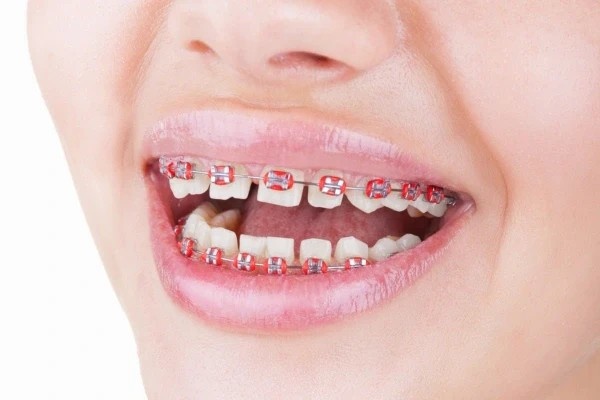
How Braces Work To Start Alignment
Before worrying, remember how braces work. Light continuous forces travel through the arch wire to guide roots and crowns. Bone remodels, the teeth gradually follow, and space appears exactly where movement needs a lane, and in this phase, the brace creates a small gap simply because the wire needs alignment freedom.
Short points that make it simple:
Early wires want a straight, relaxed path. To find it, they sometimes open small gaps between the two upper front teeth.
The space allows rotations to unwind and teeth alignment to improve while the crowding is resolved, functioning much like when a brace creates a small gap to make room for controlled change.
Later stages use closing gaps mechanics to bring the upper front teeth back together in proper alignment.
For most orthodontic treatment plans, that small midline space is temporary. And yes, braces typically fix gaps by the end, not create them forever.
Temporary Gaps Are Part Of A Tooth Movement Strategy
Think of it as a traffic detour. Orthodontists use a tooth movement strategy where space is first opened, then redirected, and finally reduced. The midline gap is the detour. It lets rotations complete safely, especially when the brace creates a small gap to allow corrective movement.
Typical sequence in many other orthodontic treatments too:
Level and align with light wires.
Correct rotations and angulations while small spaces appear.
Bring teeth together with elastics or chains.
Finish with detailing so contacts are neat and even.
During this, keep proper oral hygiene steady. Spaces trap food particles, and inflamed gums slow closing mechanics. Clean mouths move better.
Why Gaps Appear And How They Close
| Stage | What You See | Why It Happens | What Comes Next |
|---|---|---|---|
| Early alignment | Temporary gaps between front teeth | Wire needs room to unwind rotations | Elastics or chains scheduled |
| Bite opening | Space looks bigger for a few weeks | Flattening curve, easing upper teeth crowding | Bite settling and torque control |
| Mid treatment | Gaps forming / shift around | Space being redistributed for symmetry | Closing gaps with power chain |
| Finishing | Contact points tighten | Detailing to fine tune edges | Wear retainers after braces removal |
Small spaces are working spaces. They are the means to the end of neat contact points and a balanced midline. Feels counterintuitive, but it is reliable.
When Small Gaps Are Actually Helpful
A controlled space between the front teeth helps with:
There are two main types:
Pros of Invisalign
Untwisting incisors that were overlapping.
Making room to level a mild deep bite.
Guiding upper teeth so the midline lands in the center.
Reducing trauma to the edges when crowded teeth rub.
Once rotations are corrected, your team will start closing gaps so the two upper front teeth meet cleanly. The look improves quickly at that point.
Do Oral Habits Make The Gap Worse

Oral Habits Make The Gap Worse
Yes, sometimes. Unchecked oral habits like tongue thrusting or late thumb sucking can resist closure by pushing gently on the midline. It is subtle, but it matters. Patients often do not notice they press the tongue forward during swallowing or speech. Habit training, small appliances, or exercises help. It feels like homework, but it works.
Other factors:
Improper retainer wear after braces removal can let the gap reopen.
Improper retainer use during holidays allows teeth to shift again.
Old spacing patterns from baby teeth days sometimes echo under the surface if not controlled with retention.
Be honest with your routine and wear retainers as instructed. Retainers are not optional accessories. They lock in the finishes you earned.
Health Checks While Gaps Are Present
Spaces are easier to keep clean, but they also invite sticky debris. To protect oral health, keep a strong routine through the gap phase. This avoids swollen papillae and reduces the risk of gum disease.
Brush carefully along the gum line so plaque does not sit against the gums
Floss daily around the space so the sides of the incisors do not collect sugars.
See that any bleeding calms within a week of better cleaning. Persistent bleeding needs a quick check.
If you have gum disease history, alert your team early so visits can be scheduled more frequently.
How Orthodontic Treatment Uses Elastics And Chains To Close The Gap
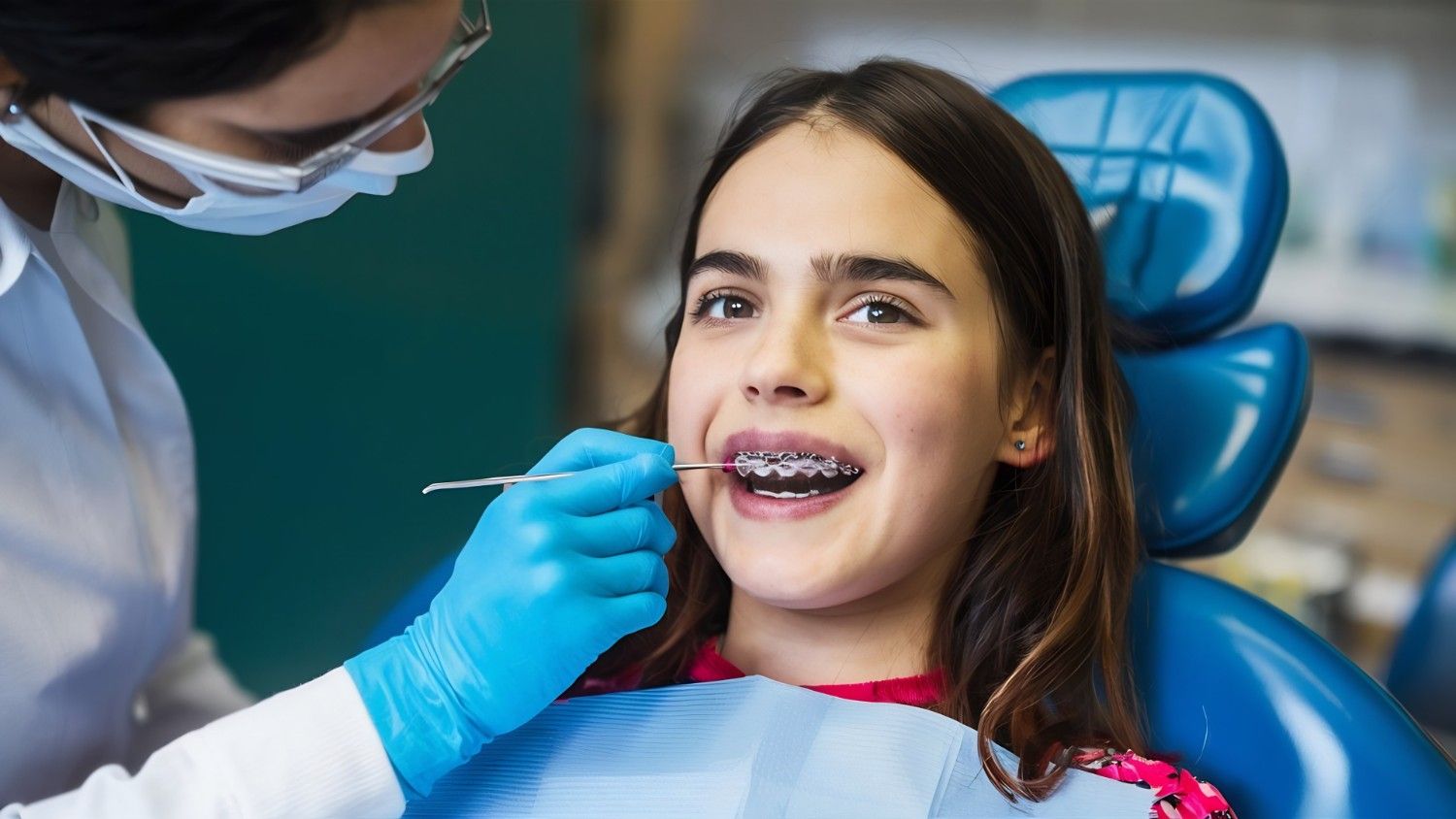
The phase that most people like. You start to see the space reduce week by week. Chains, short rubber bands, or adjusted ties bring the teeth together. Braces work with gentle pulls, not force. It is controlled and measured.
Many orthodontic treatment plans use:
Short power chain over the front teeth braces to tighten contacts.
Targeted elastics to center midline and help teeth straightening.
Wire adjustments to refine angles so the contact is flat and stable.
Results follow the plan. Let the appointments run on time, and you will see the midline close neatly.
Causes Of Gaps Outside The Planned Sequence
While most spacing is planned, sometimes notice gaps appear for other reasons too. These need simple fixes.
A bracket debonded and went unnoticed for a few days.
The power chain broke and spaces started to open
A tooth became untied to the braces and the tooth shifted creating a gap
Natural spacing tendency from adult teeth size and jaw width.
Tell your team as soon as you spot a new space that was not there before. The sooner it is refitted, the easier it is to guide.
After Braces Removal: Keeping The Midline Closed
The last step is retention. Do not skip this part. After braces removal, your plan has one final job. Stabilise the result while fibers settle and the bone consolidates.
Wear retainers exactly as advised for the first months.
Night time wear long term prevents relapse.
If a tiny space peeks again, report early.
If a tiny space peeks again, report early.
Retention is what turns a great finish into a lasting one. Results last because you protect them.
Practical Tips While You Wait For The Gap To Close
Smile in photos anyway. This stage passes soon.
Keep rinsing your mouth with water so sugars do not sit between the front teeth.
Tap your tongue lightly to the palate if you catch yourself tongue thrusting.
Avoid nail biting and pen chewing that encourage teeth to shift in the wrong direction.
If you struggle with elastics, ask for a simple hack or written diagram. Small aids help.
These are everyday things. Easy, but they hold the finish together.
When To Consider Minor Cosmetic Finishing
Most spacing closes beautifully with mechanics and retention. For a small edge chip or a line angle that needs polish, other orthodontic treatments may include finishing touches like contouring or minimal dental bonding.
This is not to hide a failure. It is to perfect symmetry when nature gave slightly different shapes. Quick, conservative, and it looks natural.
Final Thoughts
If you see a new space, remember this. Braces treatment often needs to create temporary gaps before it can close them. The midline space is a step, not the destination. Keep your cleaning steady, follow elastics, and stick to your schedule.
If you want a professional eyes-on check or simple reassurance, visit Dr Dante Gonzales Orthodontics. The team will show you where you are in the sequence, how closing gaps will proceed, and how to keep your midline stable after retention. Feels better when you know the plan, always.