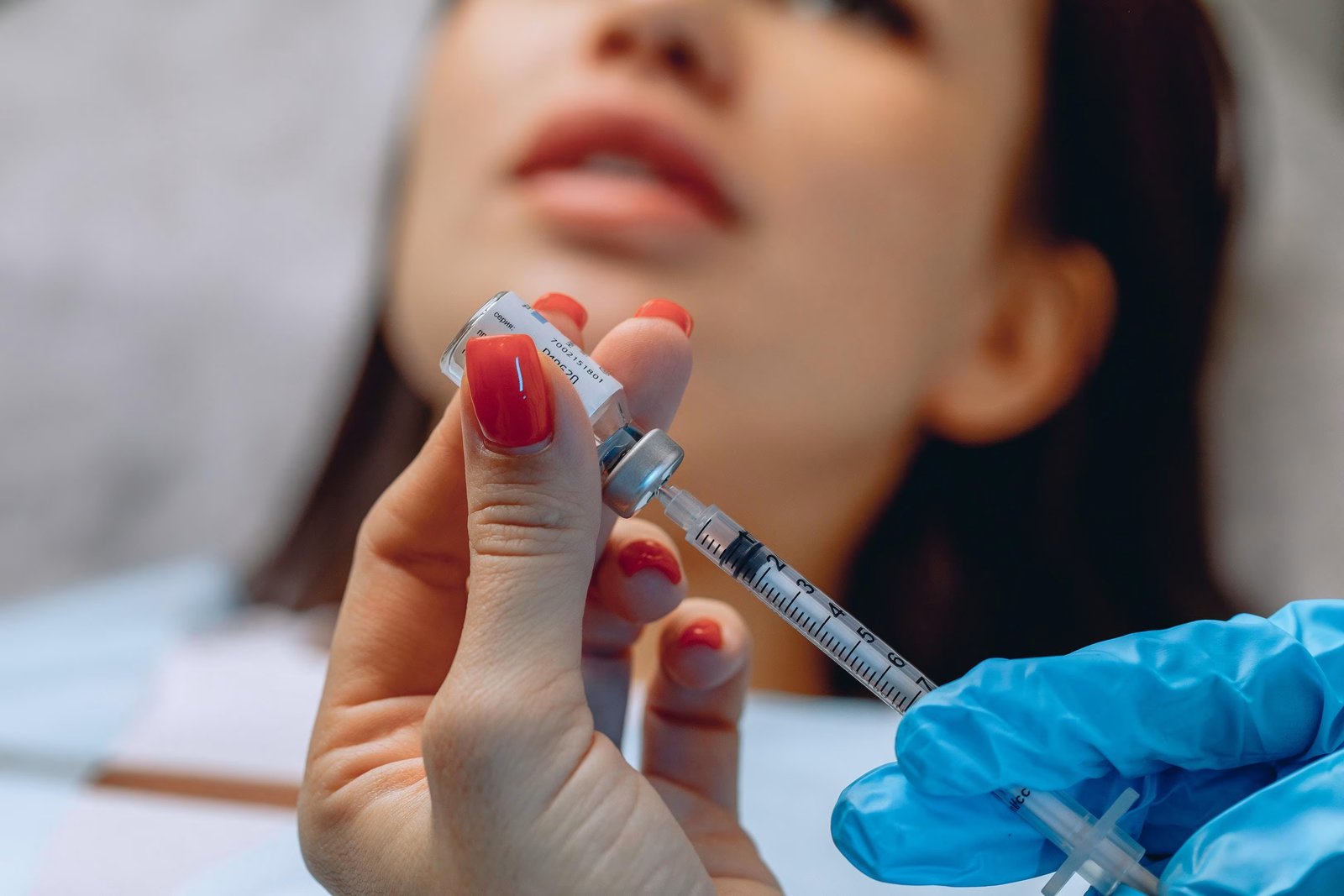
Botox for TMJ is one of the most effective and increasingly popular treatment options for patients suffering from TMJ pain, teeth grinding, jaw tension, and the chronic headaches that temporomandibular joint disorder causes in daily life. But before committing to treatment, most patients want a clear, honest answer to a straightforward question: how much does Botox for TMJ cost? The answer depends on several factors, and understanding them helps patients make informed decisions about their TMJ treatment plan and budget for both the initial consultation and ongoing sessions.
How Much Does Botox for TMJ Cost?
The cost of Botox for TMJ treatment generally ranges from $300 to $2,000 per session, depending on the severity of TMJ symptoms, the number of units needed, the geographic location of the practice, and the expertise of the healthcare provider administering the injections. Most medical providers and dental specialists bill Botox by individual units rather than a flat treatment fee, making the total cost per session directly tied to how many units of botulinum toxin your specific TMJ dysfunction requires.
TMJ treatments often require 20 to over 100 units depending on severity and muscle size. Cost per unit for Botox typically ranges from $10 to $20, with prices rising to $25 to $35 per unit in metropolitan areas or when receiving Botox injections from board-certified specialists. Understanding the unit-based pricing structure before your consultation helps set realistic cost expectations and allows for a direct comparison across different providers.
Botox for TMJ Cost Breakdown by Severity
Here is a clear breakdown of typical Botox for TMJ cost ranges based on case severity, units needed, and geographic location:
| Case Severity | Units Needed | Cost Per Unit | Est. Total Per Session |
|---|---|---|---|
| Mild TMJ Symptoms | 20 to 40 units | $10 to $20/unit | $300 to $700 per session |
| Moderate TMJ Disorders | 40 to 60 units | $10 to $20/unit | $500 to $1,000 per session |
| Severe TMJ Dysfunction | 60 to 100+ units | $10 to $20/unit | $700 to $2,000 per session |
| Metropolitan / Urban Areas | Varies by case | $25 to $35/unit | $800 to $2,000+ per session |
Geographic location impacts the pricing of Botox for TMJ significantly, with urban areas generally seeing higher costs per unit than rural or suburban practices. Patients seeking Botox treatment for TMJ in major metropolitan areas should budget toward the higher end of these ranges, while patients in smaller markets may find costs vary depending on local provider availability and competition.
What Factors Affect the Botox for TMJ Cost?
Several key factors determine where your total Botox for TMJ cost falls within the national range:
- Units needed: TMJ treatments require 20 to 100 or more units depending on the severity of TMJ disorders, the size of the masseter and surrounding muscles, and the number of injection sites required
- Case severity: Mild TMJ symptoms with minimal muscle involvement cost less than moderate to severe TMJ dysfunction requiring higher unit doses across multiple facial muscles
- Provider expertise: Board-certified specialists and experienced dentists with high TMJ Botox case volume typically charge more per unit but deliver more consistent, optimal results
- Geographic location: Botox cost per unit is higher in urban areas and major metropolitan markets compared to suburban or rural practices
- Number of sessions per year: Because the effects of Botox injections for TMJ typically last for 3 to 4 months, most patients require 3 to 4 treatment sessions annually to maintain continuous TMJ pain relief
- Consultation fees: Many providers charge a separate consultation fee for the initial TMJ assessment before Botox treatment begins
Does Insurance Cover Botox for TMJ?
Insurance coverage for Botox for TMJ is one of the most common and important questions patients ask before committing to treatment. The coverage landscape is complicated, and knowing what to expect from each type of plan helps patients plan their budget and explore every available option for reducing out-of-pocket costs.
| Coverage Type | Likelihood | Key Notes |
|---|---|---|
| Dental Insurance | Rarely covers | Typically denies Botox for TMJ as cosmetic or off-label |
| Medical Insurance | Possible coverage | May cover under strict medical necessity with documentation of failed conservative treatments |
| HSA (Health Savings Account) | Yes | TMJ Botox qualifies as a medical expense payable from HSA funds |
| FSA (Flexible Spending Acct) | Yes | TMJ Botox qualifies as a covered medical expense through FSA accounts |
| Out of Pocket | Full cost | $300 to $2,000 per session depending on units needed and location |
Why Insurance Coverage Is Difficult to Obtain
Because Botox for TMJ is classified as off-label by the FDA, meaning it has not yet received formal FDA approval specifically for treating TMJ disorders, many insurers categorize it as unproven or not medically necessary. Dental insurance typically denies coverage outright, while medical insurance may cover Botox treatment for TMJ under strict medical necessity criteria. The need for verification of failed conservative treatments is often required for insurance coverage of Botox for TMJ, meaning patients must typically demonstrate that physical therapy, oral appliances, muscle relaxants, and other traditional methods have been tried and were insufficient before an insurer will consider approving Botox injections.
How to Maximize Your Chances of Insurance Coverage
To improve your chances of getting insurance to cover Botox for TMJ, patients should work closely with their healthcare provider to document the full history of their TMJ symptoms, the treatments that have been tried, and the clinical necessity of Botox treatment. Key steps include:
- Obtain a formal TMJ disorder diagnosis from a qualified dentist or TMJ specialist with clinical notes supporting Botox as a necessary treatment option
- Document all prior conservative treatments that failed to provide adequate relief, including physical therapy, night guards, and medications
- Request a pre-authorization letter from your healthcare provider to submit to your insurance provider before receiving Botox injections
- Ask your insurance provider directly whether therapeutic Botox for temporomandibular joint disorder is covered under your plan and what documentation is required to support the claim
Is Botox for TMJ Worth the Cost?
For many patients who have exhausted traditional methods without finding lasting relief from TMJ pain, the answer is yes. Botox for TMJ has shown promising results and has been shown to be effective in reducing TMJ pain and improving jaw function, with studies indicating significant pain reduction compared to placebo. The effects of Botox injections for TMJ typically last for 3 to 4 months, providing reliable, repeated relief from jaw pain, muscle spasms, tension headaches, difficulty chewing, and the jaw tightness that makes TMJ dysfunction so disruptive in daily life.
When weighing the Botox cost against the ongoing cost of dental damage from untreated teeth grinding, chronic pain management medications, lost productivity, and reduced quality of life, many patients find that regular Botox treatment for TMJ is a cost-effective long-term investment. The few side effects associated with Botox injections for TMJ, combined with its minimally invasive nature and the absence of recovery time, make it one of the most practical treatment options for patients seeking effective TMJ relief without surgery.
Start with a Consultation at Dante Gonzales Orthodontics
If you are considering Botox for TMJ and want a clear, transparent picture of the cost, the number of units needed for your specific case, and how your insurance coverage may apply, the team at Dante Gonzales Orthodontics is ready to walk you through every detail. Every patient receives a thorough TMJ assessment before any Botox treatment begins, ensuring the treatment plan and cost are tailored precisely to your TMJ symptoms, dysfunction severity, and budget.
Transparent TMJ Botox Pricing: We provide clear, upfront cost information at your consultation, including the estimated units needed, cost per unit, total session cost, and how often treatment will be required to maintain relief from your TMJ pain and symptoms.
Insurance and Payment Guidance: We help patients navigate insurance coverage, HSA and FSA eligibility, and flexible payment options to make Botox treatment for TMJ accessible regardless of coverage status, so cost never stands between you and the relief you need.
Personalized TMJ Treatment Plan: Every Botox for TMJ treatment plan at Dante Gonzales Orthodontics is built around your specific TMJ disorders, jaw symptoms, and treatment goals, ensuring you receive the most effective and cost-efficient path to lasting TMJ relief.
If TMJ pain, jaw tension, headaches, or teeth grinding have been affecting your smile and quality of life, Dante Gonzales Orthodontics in Dublin and Tracy, CA is ready to help you understand your options and take the first step toward effective, affordable TMJ treatment.