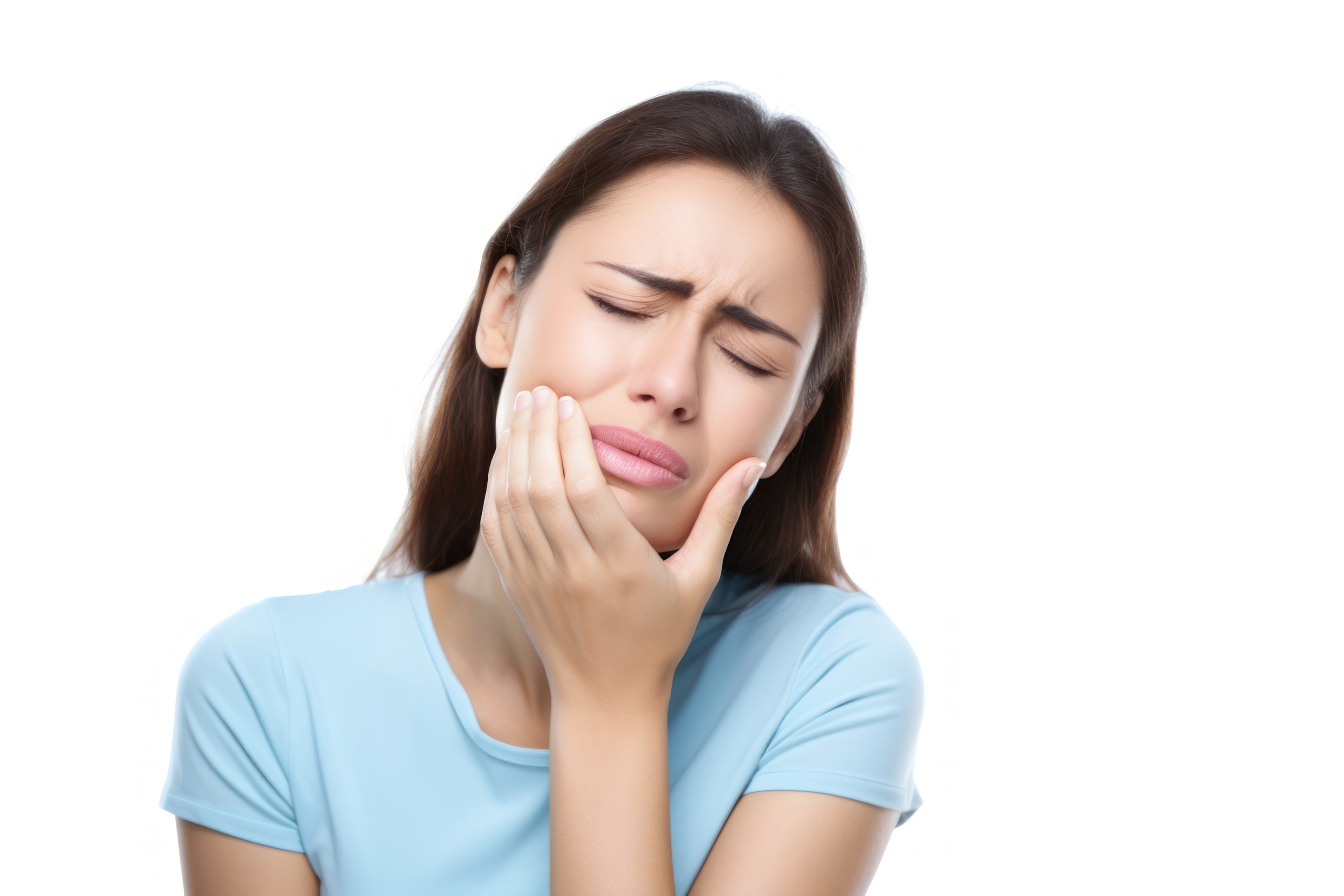
Do braces hurt the first few day?
Why do braces or Invisalign hurt the first 2-5 days after placing them on? Fair question. The truth is simple. New braces or Invisalign bring a signifcant movement of the teeth. Any force on the teeth that causing movement will lead to biologic reaction that creates "soreness" of the teeth that are moving.
Your teeth are moving as brackets and wires, or Invisalign apply gentle pressure so the teeth respond and move. For a few days you may feel discomfort, a dull ache, or maybe sore gums. Then the mouth adapts. That’s how most journeys go, and it settles faster than you imagine. Most patients experience soreness for 2-5 days. For a small percentage of patients they may feel discomfort for 7-10 days. While some may experience little to no soreness.
This guide walks you through day one to day seven, real expectations, and little tricks that minimize discomfort. Warm salt water rinses help. Cold smoothies or cold drinks also help with the soreness. The most effective way to deal with the pain is to take Ibuprofen. And when you stick to eating soft foods, the week feels manageable, almost routine. That’s how we see it anyway.
Why do Braces or Invisalign Cause Pain In The Beginning
When you start orthodontic treatment, tiny forces guide teeth into better jaw alignment. Think gentle pressure, not force. The bone around your teeth remodels as braces shift them into a healthier bite. So yes, braces hurt a bit in the beginning because ligaments inside your mouth react to new tension. Feels strange the first night.
Small irritations also come from metal brackets or the ends of brackets and wires touching cheeks or lips. That rubbing makes slight tenderness. No worries, orthodontic wax turns sharp corners into smooth ones. One pea-sized bit can change your evening.
Most people notice the biggest change in the first 48 hours, then the initial soreness eases. Your mouth adjusts, your teeth adjust, and chewing gets better every day.
Day-By-Day: The First Week With New Braces
Starting something new can feel bigger than it is. Here’s a simple timeline so you know what to expect, morning to night.
| Day | What You May Feel | What Usually Helps | Eating Tips |
|---|---|---|---|
| Day 1 | Tightness and immediate pain is rare, more like pressure | Warm salt water rinses, chewing sugarless gum, ice-cold drinks, and Ibuprofen | Soft mushy foods, yogurt, soup, smoothies |
| Day 2 | Initial pain peaks, dull ache, sore gums | OTC pain relievers or counter pain relievers as advised, warm saltwater rinse | Eating soft foods that require minimal chewing |
| Day 3 | Still tender, less edgy than Day 2 | Ibuprofen; warm salt water rises; cold drinks to reduce inflammation; chewing sugarless gum to increase blood flow | Eating soft foods that require minimal chewing |
| Day 4 | Temporary soreness only when biting hard foods | Eating softer foods; Ibuprofen may not be needed after Day 4; chewing sugarless gum can help decrease pain | Eating soft foods that require minimal chewing |
| Day 5 | Lingering discomfort starts to fade | Eating softer foods; Ibuprofen may not be needed after day 4; chewing sugarless gum can help decrease the pain | Eating soft foods that require minimal chewing |
| Day 6 | Chewing feels normal again | Hydration, small frequent meals; tooth soreness should start to subside. Cheek irritations from braces may occur | Try slightly firmer foods carefully |
| Day 7 | Most say their braces stop hurting | Keep wax handy for wires or braces that may irritate cheeks or lips | Back to routine, avoid hard or sticky foods |
Everyone heals at their own pace. Some feel fine in a few hours; some take about a week. Both are normal.
How Long Do Braces Hurt After Placement Or Adjustments
People ask how long braces hurt after the first appointment? Placement day usually brings temporary discomfort for two to four days. After monthly tightening, you may feel slight pain for 24 to 48 hours. It settles. If you feel severe pain or any sharp pain that doesn’t calm with wax and gentle care, call your clinic. Better to ask early than push through in silence.
Pain is telling you that the teeth are moving as the braces and wires place a gentle force on the teeth. Not fun, but part of the orthodontic journey toward a straighter smile and better overall oral health.
The Comfort Toolkit You’ll Actually Use
Before you leave the clinic, pack a tiny pouch. Put it in your school bag, office drawer, or car. Sounds basic, saves your day.
Orthodontic wax for any poking ends or rubbing brackets or wires
Small mirror to spot trouble areas quickly
Travel toothbrush and mild paste for proper oral hygiene after snacks
OTC pain relievers or counter pain relievers, as recommended by your dentist
Lip balm so dry lips don’t catch on brackets
A bottle for warm saltwater rinse if cheeks feel irritated
These are small, practical things. They alleviate pain and help you move on with your afternoon.
Foods That Help When Braces Hurt
The first week isn’t the time to try crunchy snacks. Choose comfort foods and let your mouth settle.
Easy, low-chew picks
Mashed potatoes, mac and cheese, scrambled eggs
Plain pasta or buttered noodles, soft rice
Soups (tomato, chicken broth), oatmeal, cream of wheat
Yogurt, applesauce, cottage cheese, pudding
Ripe bananas, ripe avocado, very soft mozzarella or paneer
Smoothies without seeds or hard bits
Soft pancakes, cheese ravioli, tender fish (baked)
Skip for now
Sticky candy like caramel, taffy, gummies, chewing gum
Hard or crunchy items: nuts, popcorn, chips, hard pretzels, ice
Tough breads and crusts: bagels, baguettes, thick pizza crust
Raw, hard produce (whole apples, raw carrots) only eat thinly sliced
Keep it simple. Stick to soft foods till the initial discomfort passes, then slowly return to normal meals.
Pain Relief That Actually Works
When braces hurt, aim for steady soothing rather than heavy medication.
Use orthodontic wax wherever brackets and wires rub. Press a tiny ball onto the spot.
Try a warm saltwater rinse twice daily. It calms sore gums and reduces friction.
Use OTC pain relievers only as directed by your dental team. Some prefer paracetamol; follow professional advice.
Cold compress outside the cheek brings quick pain relief after dinner.
Sleep with your head slightly elevated on the first night. It reduces pulsing sensations.
If you feel persistent or severe pain, or a wire is clearly poking, contact your clinic for a quick fix. Ten minutes in the chair can transform the week.
Is The Pain Worth It Long Term
Short answer, yes. Traditional braces or ceramic systems use controlled gentle pressure to create a healthier bite and smoother smile line.
The long term benefits include easier cleaning, less wear, and better oral health for decades. Many adults say they wish they had started earlier. Maybe they’re right.
Better jaw alignment also eases chewing and sometimes headaches caused by uneven forces. All that from patient, steady movement. It’s a slow craft.
Proper Oral Hygiene So Pain Doesn’t Linger
Soreness lasts longer when plaque builds around brackets. Keep things clean from day one.
Brush gently twice daily around all brackets and wires
Use interdental brushes to sweep under the wire where food hides
Floss with a threader or water flosser when wearing braces
Rinse after snacks so tooth decay doesn’t surprise you later
Keep the tongue clean too, fresh breath helps confidence
Good oral hygiene reduces inflammation and makes the next day easier. Sometimes it’s the small habits that matter.
Quick Answers To Common First-Week Questions
| Question | Simple Answer |
|---|---|
| Do braces hurt right away | Mostly pressure, not stingy pain |
| How fast does braces pain go away | Usually 2 to 3 days after placement |
| What if a bracket rubs | Use orthodontic wax and call if it continues |
| Best meal plan | Eating soft foods for about a week |
| Can I play sports | Yes, ask for a mouthguard for contact games |
| Can I take pain relievers | Use counter pain relievers only as advised |
What New Braces Feel Like Hour By Hour
First afternoon, you’ll notice your cheeks exploring the new landscape. By night, the initial pain may start as a dull ache. Day two, teeth feel like they had a workout. By day three, you chew soft bread without thinking. Your mouth adapts. Things get normal again.
If you ever feel a wire moving or a bracket loose, don’t wait. A quick check prevents bigger irritation.
Why Some People Feel More Than Others
Everyone’s pain threshold is different. Past dental experiences, gum sensitivity, even sleep quality affect how you feel sore. Some experience only slight pain, while others report more temporary soreness. Neither means your orthodontic treatment is going better or worse. It’s just your body’s way of calibrating.
Hydration, sleep, and gentle pacing help more than you expect. A calm routine tells your body there’s no emergency here.
Tips For Kids And Teens Starting Their Braces Journey
For younger patients, snacks and schedules make a big difference. Offer soft tiffin ideas the first week. Pack the wax, a small mirror, and a travel brush. Make it easy to succeed.
Gently remind them to avoid hard or sticky foods with friends. One careless bite can bend a wire and extend soreness. Keep it friendly, not strict. The braces journey needs patience on all sides.
When To Call The Clinicg
Call if you notice any of the following:
Sharp pain that doesn’t settle with wax or rinses
A wire that has popped free and keeps poking
Ulcers that worsen after three days despite care
Lingering discomfort that doesn’t ease after a week
Signs of swelling or fever near teeth or gums
Early help means quicker comfort. No one gets bonus points for pushing through avoidable pain.
Simple Meal Ideas For Week One
Try this small menu to keep energy steady while your mouth adjusts.
Breakfast: Banana smoothie, soft scrambled eggs, oatmeal or yogurt.
Lunch: Mac and cheese, mashed potatoes with gravy, soft tofu or egg salad.
Snacks: Yogurt cup, pudding, applesauce, cream soup.
Dinner: Mashed sweet potatoes with baked fish, creamy polenta.
Nothing fancy. Just foods that require minimal chewing and feel soothing.
Adjustment Appointments And Short Spells Of Soreness
Each tightening revisits the same pattern, only shorter. After an adjustment, you may notice temporary discomfort for 12-24 hours. Repeat the same playbook. Wax. Soft meals. OTC pain relievers if needed. The cycle gets familiar, and you become the expert of your own comfort.
Visiting your orthodontist regularly keeps the plan on track and reduces surprises. Skipping appointments can bunch up movement and make the next visit feel heavier. Steady and timely work best.
The Mindset Part No One Mentions
Expect small wins, not perfection every day. Celebrate when you eat your first normal meal without thinking about it. Notice when a spot stops rubbing. These tiny moments build momentum. The end goal, that straighter smile, starts to feel closer. Just remember, it's a long journey. It's a marathon. Hang in there.
Smiling in mirrors helps too. You’ll see changes month by month. Quiet progress is still progress.
| Myth | Reality |
|---|---|
| Braces mean constant pain | Most patients feel only short bursts of soreness |
| The tighter the better | Gentle consistent pressure is safer and more effective |
| Pain means treatment is working faster | Pain is definitely from the movement. The speed of movement is determined by the bone cells, not by the level of force on the teeth. |
| You must avoid all normal foods | Only skip very hard or sticky foods |
| Wax is only for kids | Orthodontic wax is for everyone with braces, anytime during the treatment |
Final Thoughts
The first week with braces is about learning comfort tricks and trusting your body to adapt. Short phases of initial discomfort give way to routine. Wearing braces becomes part of your day, like tying shoelaces. The payoff is a confident, straighter smile and better oral health that lasts.
If you feel stuck or unsure, book a quick check at Dr Dante Gonzales Orthodontics. The team can trim a wire, place wax, adjust a bracket, or suggest pain relief tips tailored to your case. Sometimes a ten-minute fix changes the whole week.
You’re not alone in this. Give it seven days. The mouth adjusts, and life returns to normal.