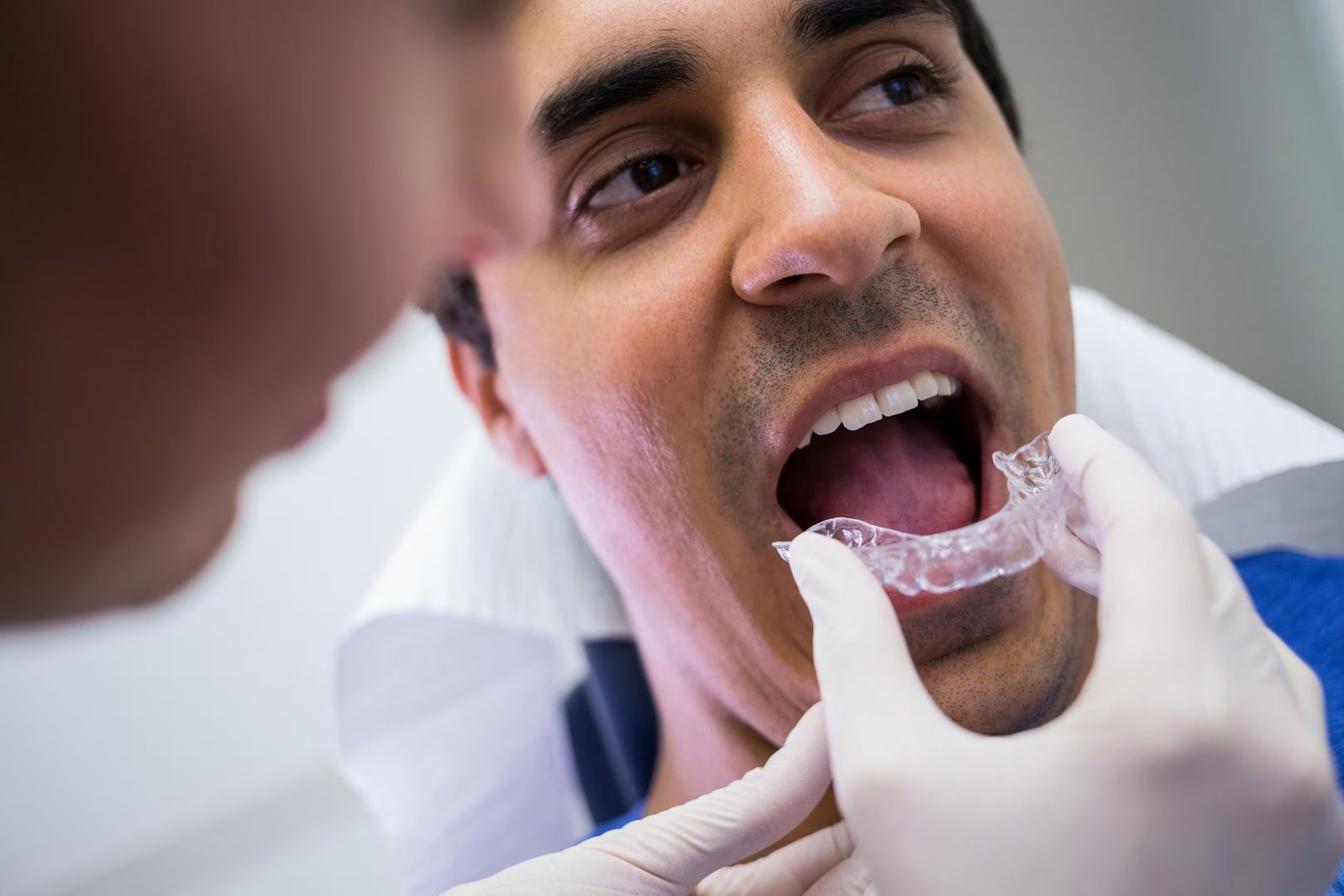
If your teeth overlap, twist, or seem to be fighting for space along your jaw, you have probably already searched a version of the same question: does Invisalign work for crowded teeth? The short answer is yes for most patients. Invisalign treatment can correct mild to moderate crowded teeth using a series of clear aligner trays that gradually shift teeth into proper alignment, and in many cases it does so with less irritation and more flexibility than traditional braces. For patients with severe crowding, the answer is more nuanced, and metal braces or a combination approach may be recommended instead.
This guide is written for anyone weighing Invisalign aligners against traditional braces to fix crowded teeth, whether you are an adult who never had orthodontics, a parent researching options for a teenager, or a patient who has been told your bite needs attention. At Dante Gonzales Orthodontics, we walk patients through exactly what to expect, how long treatment takes, and what determines whether Invisalign or braces will get you to a straighter smile more predictably.
Understanding Crowded Teeth
Crowded teeth, sometimes called overlapping teeth, happen when there isn't enough space along the jaw for every tooth to sit in proper alignment. Instead of sitting in a smooth arch, teeth twist, overlap, or push forward and backward relative to one another. This isn't just a cosmetic concern. Overlapping teeth create tight spaces that are harder to clean, which raises the risk of tooth decay and gum disease, and uneven wear on certain teeth can eventually affect the bite and jaw comfort.
Teeth crowding is also more common than many people realize. Studies estimate that crowding affects roughly 24% of women and 14% of men, making it one of the most frequently treated concerns in orthodontics.
What Causes Crowded Teeth?
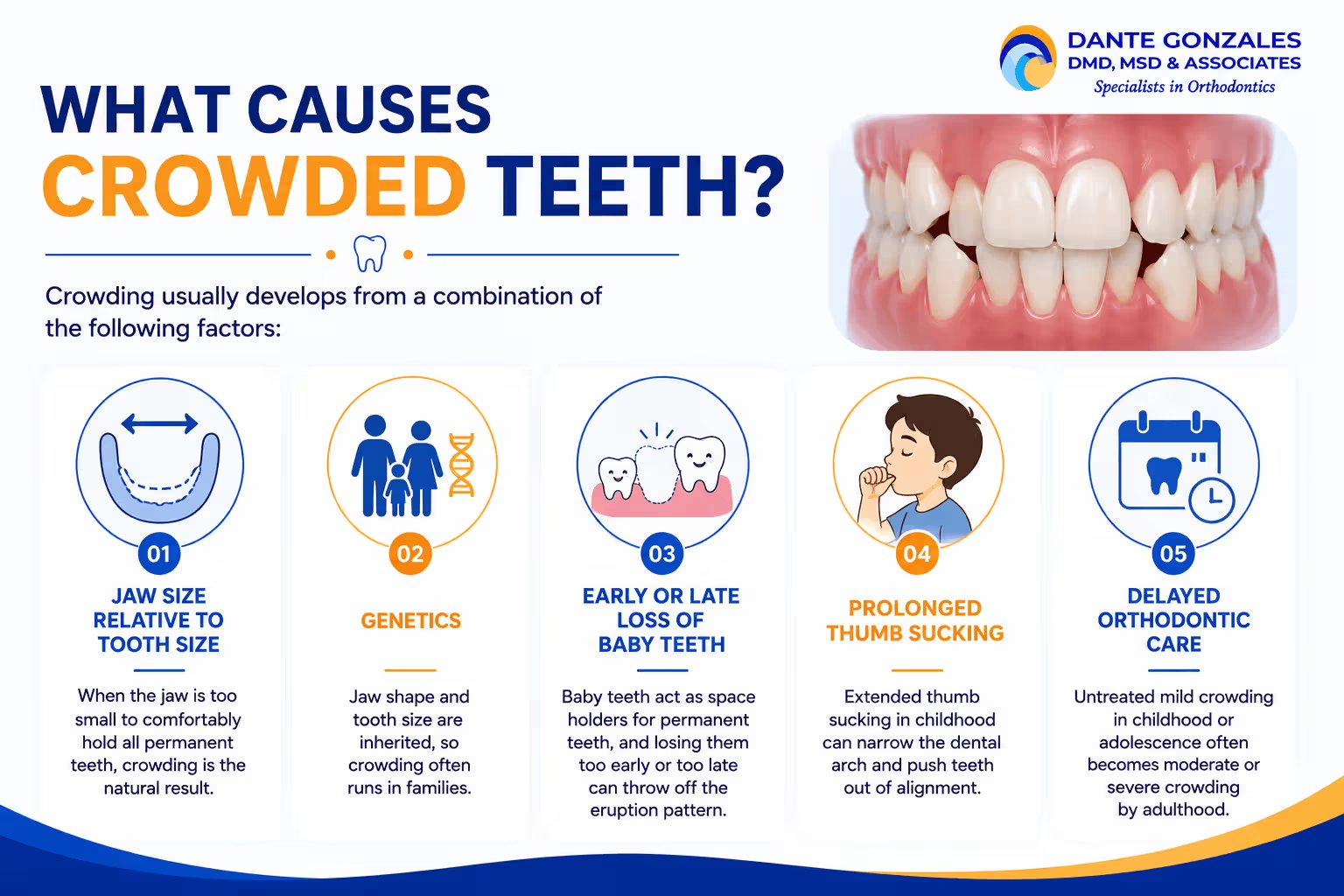
Crowding usually develops from a combination of the following factors:
- Jaw size relative to tooth size — when the jaw is too small to comfortably hold all permanent teeth, crowding is the natural result
- Genetics — jaw shape and tooth size are inherited, so crowding often runs in families
- Early or late loss of baby teeth — baby teeth act as space holders for permanent teeth, and losing them too early or too late can throw off the eruption pattern
- Prolonged thumb sucking — extended thumb sucking in childhood can narrow the dental arch and push teeth out of alignment
- Delayed orthodontic care — untreated mild crowding in childhood or adolescence often becomes moderate or severe crowding by adulthood
Mild, Moderate, and Severe Crowding: How Severity Matters
Not all crowded teeth cases are alike, and the severity of your case is the single biggest factor in whether Invisalign is recommended, how long treatment will take, and what results you can expect.
| Crowding Severity | What It Looks Like | Typical Treatment Approach |
|---|---|---|
| Mild Crowding | Slight overlap, minor rotations, small extra space needed | Invisalign aligners, often with IPR |
| Moderate Crowding | Noticeable overlapping teeth, uneven wear, some rotation | Invisalign with attachments and IPR |
| Severe Crowding | Significant overlap, teeth pushed far out of the arch, limited space | Traditional braces, sometimes combined with tooth extraction |
Does Invisalign Work for Crowded Teeth?
Yes — Invisalign works well for crowded teeth in the majority of patients, particularly those with mild crowding or moderate crowding. Invisalign uses custom, 3D-printed clear aligners that apply controlled, gentle pressure to specific teeth in a precise sequence, gradually shifting them into proper alignment over the course of treatment. Because each aligner tray is digitally planned before treatment even begins, most patients can preview their final results before wearing a single tray.
For more complex cases involving severe rotations, significant vertical tooth movement, or very limited space in the jaw, Invisalign may not provide the same predictable results as traditional braces. In these more complex cases, metal braces or a staged treatment plan that begins with braces and finishes with aligners may be the better path to a straighter smile.
How Invisalign Treats Crowded Teeth
Custom Aligner Trays and Controlled Pressure
Each set of invisible trays is custom-fit to your teeth and designed to move specific teeth a small amount at a time. As you progress through your aligner trays, each one nudges your teeth slightly closer to their final position using controlled pressure, which is generally gentler on the teeth and gums than the brackets and wires used in traditional braces.
Attachments for Complex Movements
For crowding cases that involve rotation or more difficult tooth movements, your orthodontist may bond small, tooth-colored attachments to certain teeth. These attachments give the aligner tray extra grip, allowing it to apply more precise force where it's needed most.
Interproximal Reduction (IPR)
Many crowding cases simply don't have enough room for every tooth to align properly. Interproximal reduction, or IPR, creates that extra space by gently polishing a very small amount of enamel between selected teeth. IPR is painless, doesn't damage enamel when done correctly, and is one of the most common tools used to treat crowded teeth without needing tooth extraction.
Invisalign Treatment Timeline for Crowded Teeth
One of the most common questions patients ask is — how long does Invisalign take for crowded teeth. The honest answer is that it depends on the severity of your crowding, but most patients fall within a 12 to 18 month treatment window.
Mild Crowding Timeline
Mild crowding is the fastest to correct with Invisalign, and some patients see final results in as little as 6 months. Treatment length depends on how much rotation or space adjustment is needed.
Moderate Crowding Timeline
Moderate crowding typically takes the full 12 to 18 months many patients associate with Invisalign treatment. This allows enough time for attachments, IPR, and a longer sequence of aligner trays to gradually shift teeth into proper alignment.
Severe Crowding Timeline
Severe crowding cases treated with Invisalign, when appropriate, can take 24 months or longer. In many severe cases, an orthodontist will recommend traditional braces instead, since braces are generally more effective at correcting complex rotations and significant overlapping teeth in a more predictable treatment time.
What to Expect During Your Invisalign Journey
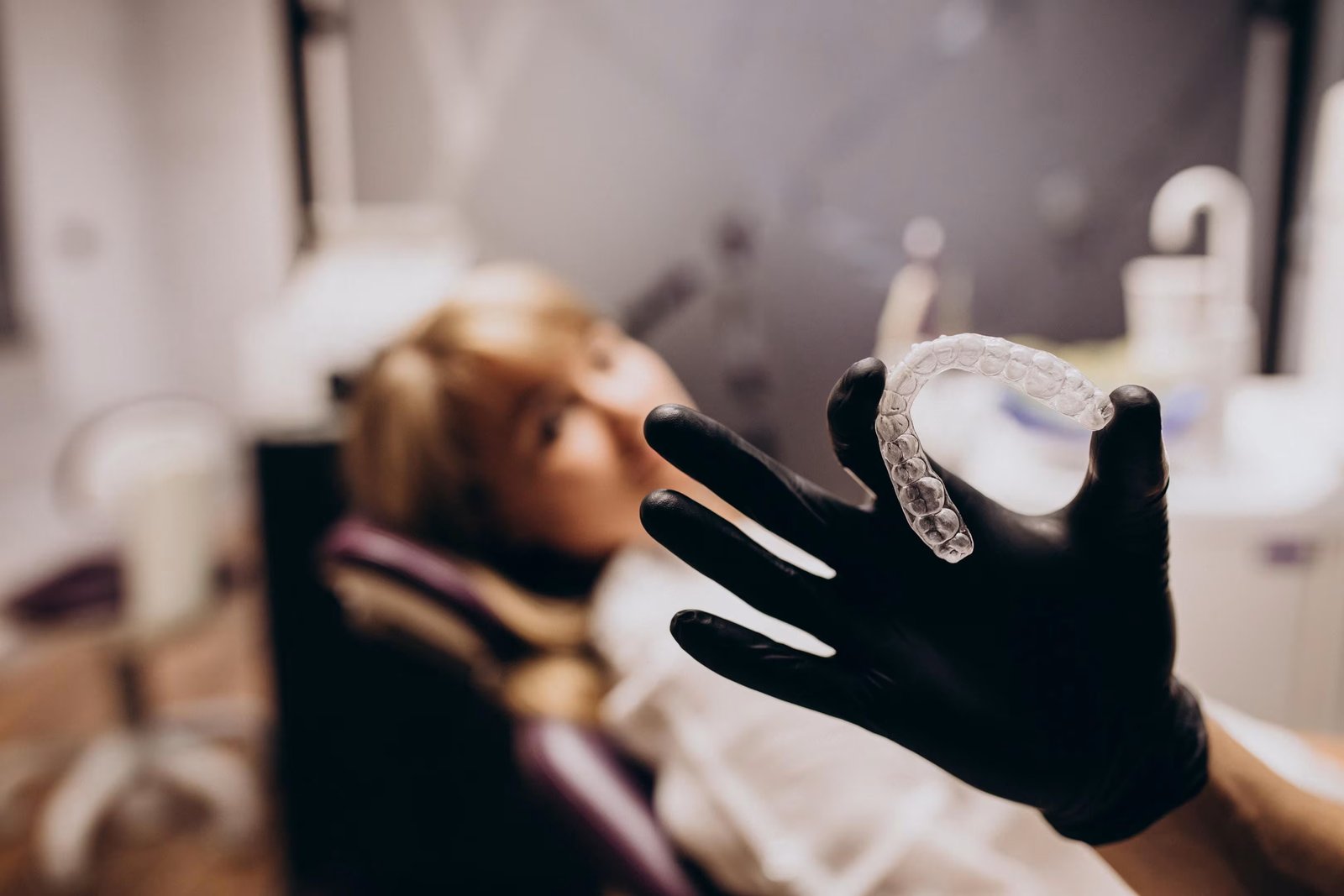
The First Appointment and Treatment Plan
Your Invisalign journey begins with a comprehensive exam and digital scan of your teeth. Advanced 3D imaging technology maps out your entire treatment plan in advance, showing how your teeth will gradually shift from your current smile to your final results.
Wearing Your Aligners
Invisalign aligners must be worn for 20 to 22 hours daily to stay on schedule. This means aligners come out only to eat, drink anything other than water, and brush and floss. Wearing your aligners consistently is the single biggest factor in whether treatment finishes on time.
Changing Aligners Every One to Two Weeks
Most patients move to a new tray approximately every one to two weeks, based on their orthodontist's plan. Each new aligner tray continues the gradual shift toward straighter teeth.
Follow-Up Appointments
Compared to traditional braces, Invisalign typically requires fewer office visits, since there are no brackets and wires to adjust. Your orthodontist will still check progress periodically to confirm your teeth are tracking with the treatment plan.
Invisalign vs. Traditional Braces for Crowded Teeth
| Factor | Invisalign | Traditional Braces |
|---|---|---|
| Best for | Mild to moderate crowding | Moderate to severe crowding |
| Appearance | Clear, nearly invisible trays | Visible metal brackets and wires |
| Removability | Removable for eating and brushing | Fixed until treatment ends |
| Comfort | Generally less irritation to gums and cheeks | Can cause more irritation from brackets and wires |
| Predictability for complex cases | Less predictable for severe rotations | More predictable for complex movements |
| Diet | No food restrictions — remove aligners to eat | Some favorite foods restricted |
When Braces May Be a Better Option for Severe Crowding
For patients with severe crowding, significant tooth rotation, or cases where there simply isn't enough room in the jaw, traditional braces are often the more reliable choice. Braces apply continuous force through brackets and wires, which can correct more complex movements than removable aligners. In some severe crowding cases, an orthodontist may also recommend tooth extraction to create the additional space needed before braces can bring teeth into proper alignment.
Invisalign Cost and Insurance Coverage for Crowded Teeth
Invisalign cost varies based on the complexity of your case and how long treatment will take, but many patients find that low monthly payment plans make treatment manageable. Whether $4,000 or $5,000 is "a lot" for Invisalign really depends on your individual insurance coverage, the severity of your crowding, and what your insurance provider offers toward orthodontic treatment. Most orthodontic practices, including Dante Gonzales Orthodontics, will review your insurance coverage and walk you through a clear treatment plan and payment options before you begin.
Are You a Good Candidate for Invisalign?
Most patients with mild to moderate crowded teeth are good candidates for Invisalign. You may be a strong candidate if:
- Your crowding is mild to moderate rather than severe
- You are committed to wearing aligners 20 to 22 hours daily
- You do not have significant jaw or bite issues requiring more complex correction
- You want a treatment option that fits comfortably into daily life, including eating your favorite foods without brackets and wires in the way
Patients with more complex cases, significant jaw discrepancies, or severe crowding may be better suited to traditional braces, and an orthodontist can determine this during a treatment planning appointment.
Benefits of Choosing Invisalign for Crowded Teeth
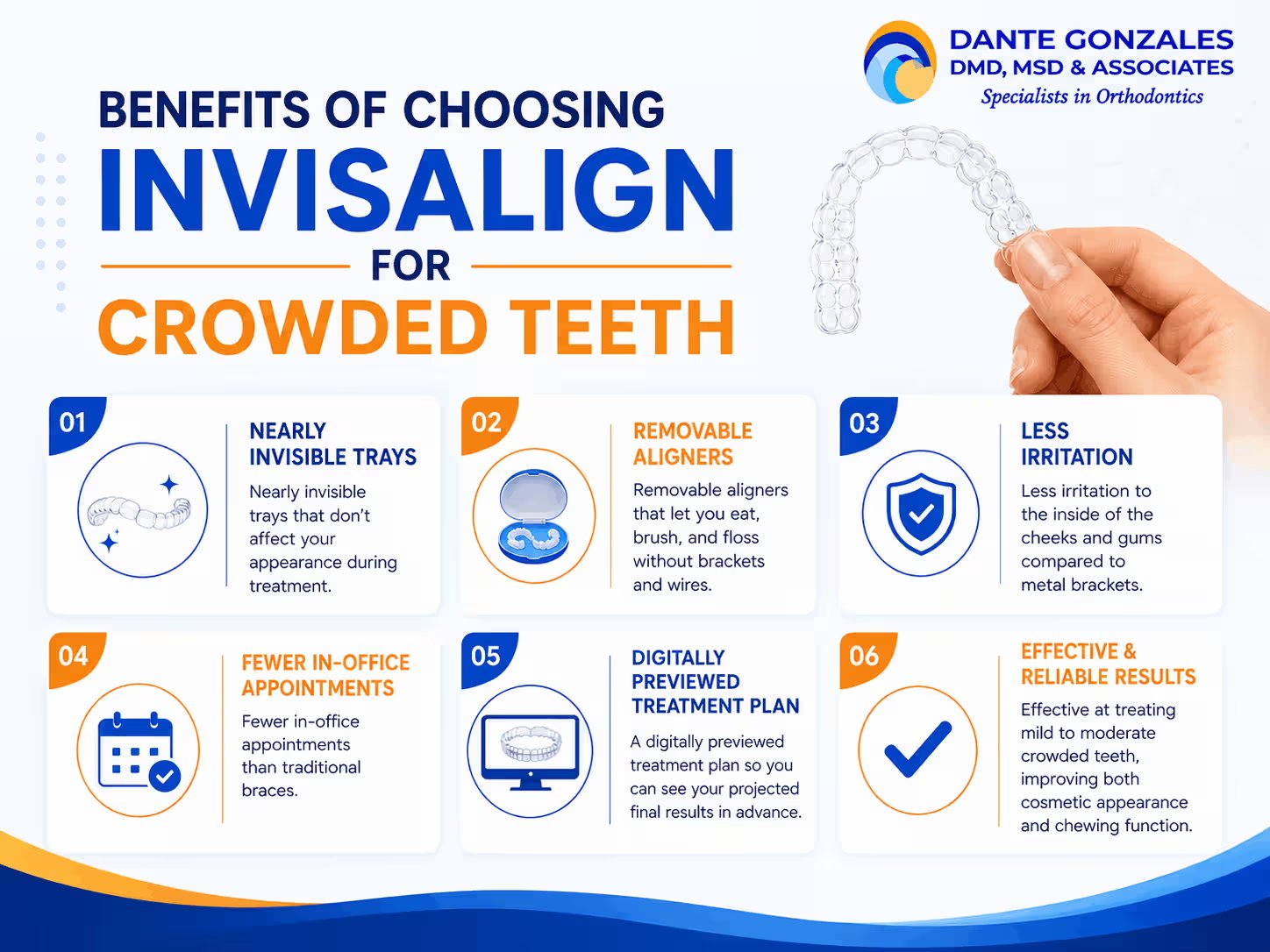
- Nearly invisible trays that don't affect your appearance during treatment
- Removable aligners that let you eat, brush, and floss without brackets and wires
- Less irritation to the inside of the cheeks and gums compared to metal brackets
- Fewer in-office appointments than traditional braces
- A digitally previewed treatment plan so you can see your projected final results in advance
- Effective at treating mild to moderate crowded teeth, improving both cosmetic appearance and chewing function
Get Your Crowded Teeth Evaluated at Dante Gonzales Orthodontics
Every case of crowded teeth is different, and the only way to know whether Invisalign is right for you is a comprehensive evaluation of your bite, jaw alignment, and the severity of your crowding. At Dante Gonzales Orthodontics in Dublin and Tracy, CA, we use advanced digital imaging to build a personalized treatment plan, walk you through your expected treatment time, and help you understand your Invisalign cost and insurance coverage before you commit to treatment. If overlapping teeth have been affecting your smile or your oral health, schedule an appointment to find out whether Invisalign or traditional braces is the right path to straighter teeth.