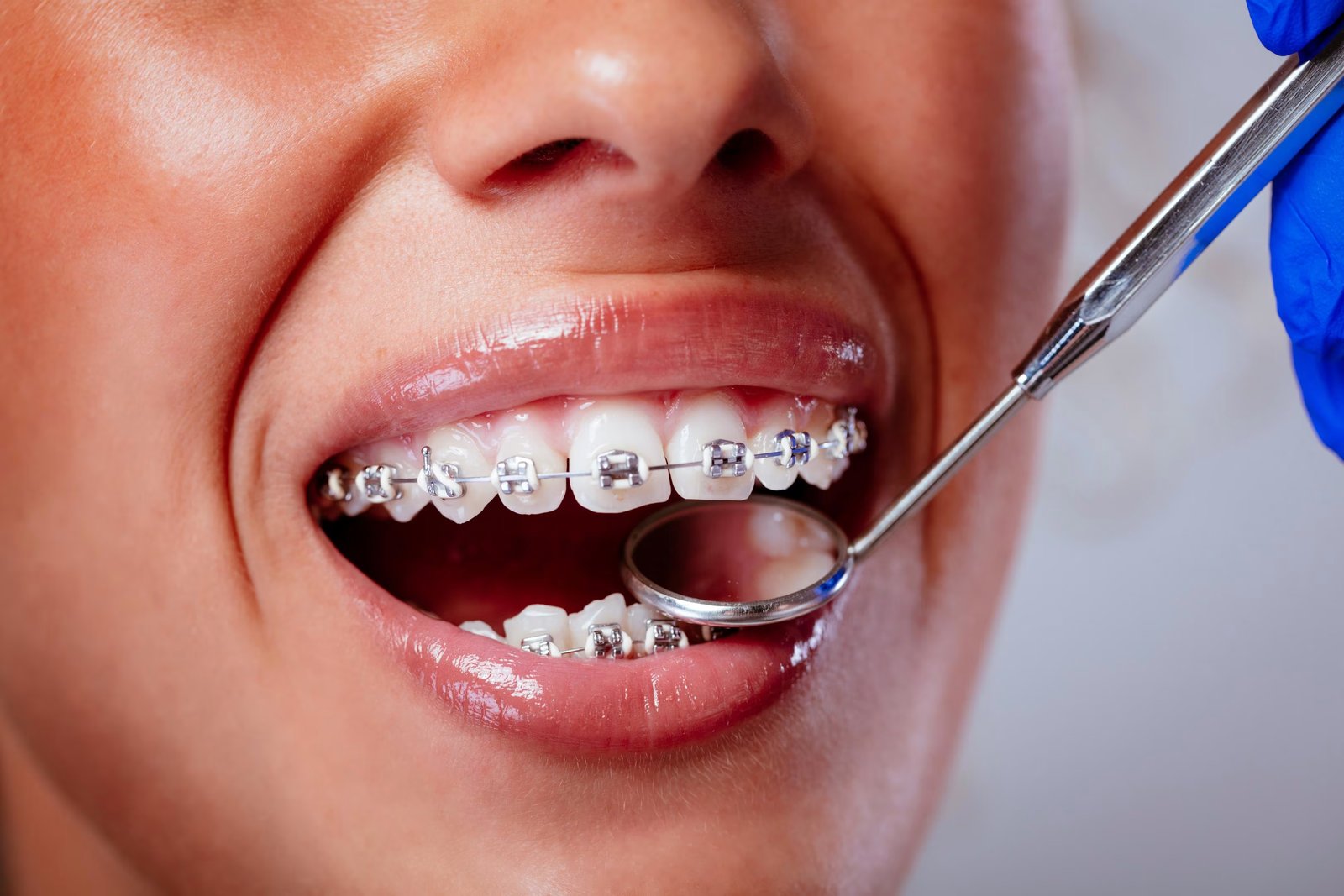
Whether you're researching orthodontic treatment for a child, considering adult treatment for yourself, or simply trying to plan your family's budget for the year ahead, one question comes up first: how much do braces cost? The honest answer is that there is no single number, since the cost of braces depends on several factors — the type of braces you choose, the complexity of your case, your location, your orthodontist's experience, and your insurance coverage. At Dante Gonzales Orthodontics, we believe an informed decision starts with real numbers, so here is a full breakdown of braces cost in 2026, what drives the price up or down, and the payment options available to make treatment affordable.
What Is the Average Cost of Braces?
The average cost of orthodontic treatment in the United States ranges from $3,000 to $8,000, though the total cost for your specific case will vary based on multiple factors, including the type of braces, treatment duration, and where you live.
| Type of Braces | Typical Cost Range | Notes |
|---|---|---|
| Traditional metal braces | $3,000–$7,000 | Most durable and budget-friendly option |
| Ceramic braces | $4,000–$8,500 | Tooth colored brackets, less noticeable than metal |
| Self-ligating braces | $3,500–$6,500 | Uses clip mechanism instead of elastic ties |
| Lingual braces | $8,000–$10,000+ | Clear brackets placed behind the teeth for full discretion |
| Clear aligners (Invisalign) | $3,500–$7,500 | Removable, nearly invisible treatment option |
As a regional example, braces in Chicago typically cost between $3,000 and $7,500 — a helpful illustration of how geographic location affects orthodontic fees due to differences in local cost of living, office overhead, and demand.
What Affects the Cost of Braces?
Several factors play into the final price you'll pay at the orthodontist's office. Understanding these variables helps explain why one patient's treatment costs significantly more than another's.
Type of braces. Traditional metal braces remain the most affordable and durable option, while ceramic braces cost slightly more due to their tooth-colored brackets. Lingual braces, which use clear brackets placed behind the teeth, carry the highest fees because of the specialized technique required to place and adjust them.
Case complexity. Complex cases involving significant misalignment, bite correction, or crowded and misaligned teeth require more adjustments, more office visits, and a longer treatment time — all of which increase the total cost. Minor corrections, by contrast, typically fall on the lower end of the price range.
Treatment duration. Treatment duration typically lasts 12 to 36 months, and longer treatment plans generally cost more due to the additional appointments and materials involved over time.
Geographic location. Braces in urban areas are generally more expensive than in smaller towns, largely due to higher overhead costs for the orthodontist's office.
Orthodontist's experience. An orthodontist's experience and reputation can influence treatment costs, with highly experienced providers sometimes charging higher fees for their expertise.
Age of the patient. Adult braces can cost $500 to $1,500 more than children's braces. This premium exists partly because adult patients may experience slower tooth movement, requiring more careful monitoring and sometimes a longer treatment time to move teeth into proper position safely.
Does Insurance Cover Braces?
Many patients ask whether dental insurance will help cover the cost of braces, and the answer is: it depends on your plan. Most insurance plans cover $1,000 to $3,000 of braces costs, though dental insurance may cover part of orthodontic treatment with lifetime caps that fall within that same $1,000 to $3,000 range. Once you hit that lifetime maximum, any additional orthodontic costs — including a second round of treatment later in life — are typically paid out of pocket.
Here's what to keep in mind about insurance coverage for braces:
- Most PPO plans cover approximately 50% of braces costs, up to the plan's lifetime maximum
- Insurance coverage for orthodontic treatment can differ substantially between children and adults, with insurance coverage for adult braces often more limited than coverage for children
- Waiting periods for orthodontic coverage are common, often lasting 6 to 12 months before benefits become available
- Orthodontic benefits are sometimes only available if treatment is deemed medically necessary rather than purely cosmetic
- Checking whether your orthodontist is in-network with your insurance provider can significantly affect your out-of-pocket total cost
Because insurance coverage varies significantly by plan, it's worth calling your insurance provider directly, or asking your orthodontist's office to verify your specific orthodontic benefits before starting treatment. Most patients still pay between $5,000 and $7,000 out of pocket before insurance is applied, so understanding your plan's lifetime maximum ahead of time helps you plan your budget realistically.
Payment Options and Financing for Braces
Braces are a significant investment, but most orthodontic clinics are structured to make treatment accessible regardless of your budget. Common payment options include:
- Monthly payment plans, often with 0% interest, that spread the total cost over the length of treatment
- A down payment of $500 to $1,000, with the remaining balance divided into manageable monthly payments
- Health Savings Accounts (HSA), which let you set aside pre-tax dollars for orthodontic costs
- Flexible Spending Accounts (FSA), which can reduce your effective braces cost by using pre-tax dollars for treatment
- Free initial consultations, offered by many orthodontists, which provide a personalized cost estimate before you commit to anything
- In-house financing directly through the orthodontist's office, which can sometimes offer more flexible terms than third-party lenders
Comparing quotes from multiple providers is one of the most effective ways to save money, since fees can vary meaningfully between practices even within the same city.
Are There Additional Costs Beyond the Braces Themselves?
When budgeting for orthodontic care, it helps to plan for a few additional costs beyond the base price of braces:
- Initial records, X-rays, and diagnostic imaging
- Retainers following the completion of active treatment
- Emergency visits for a broken bracket or loose wire
- Routine adjustment appointments throughout treatment
- Ongoing at-home orthodontic care supplies
Most orthodontists build these into the total cost quoted upfront, but it's always worth asking your orthodontist's office directly so there are no surprises once you begin.
Is the Cost of Braces Worth It?
Beyond a confident smile, orthodontic treatment supports long-term oral health. Misaligned teeth and crowded or misaligned teeth are harder to clean effectively, which raises the risk of tooth decay and gum disease over time. Correcting these orthodontic issues doesn't just improve appearance — it also protects your dental health for years to come, which is part of why many patients view the cost of braces as a worthwhile, long-term investment rather than a purely cosmetic expense.
Get a Personalized Cost Estimate at Dante Gonzales Orthodontics
Every patient's treatment plan and total cost depends on their unique bite, dental needs, and insurance coverage. At Dante Gonzales Orthodontics in Dublin and Tracy, CA, we offer a free consultation to evaluate your case, walk you through your insurance benefits, and provide a clear, personalized cost estimate — so you can start treatment with a confident, informed decision rather than guesswork.