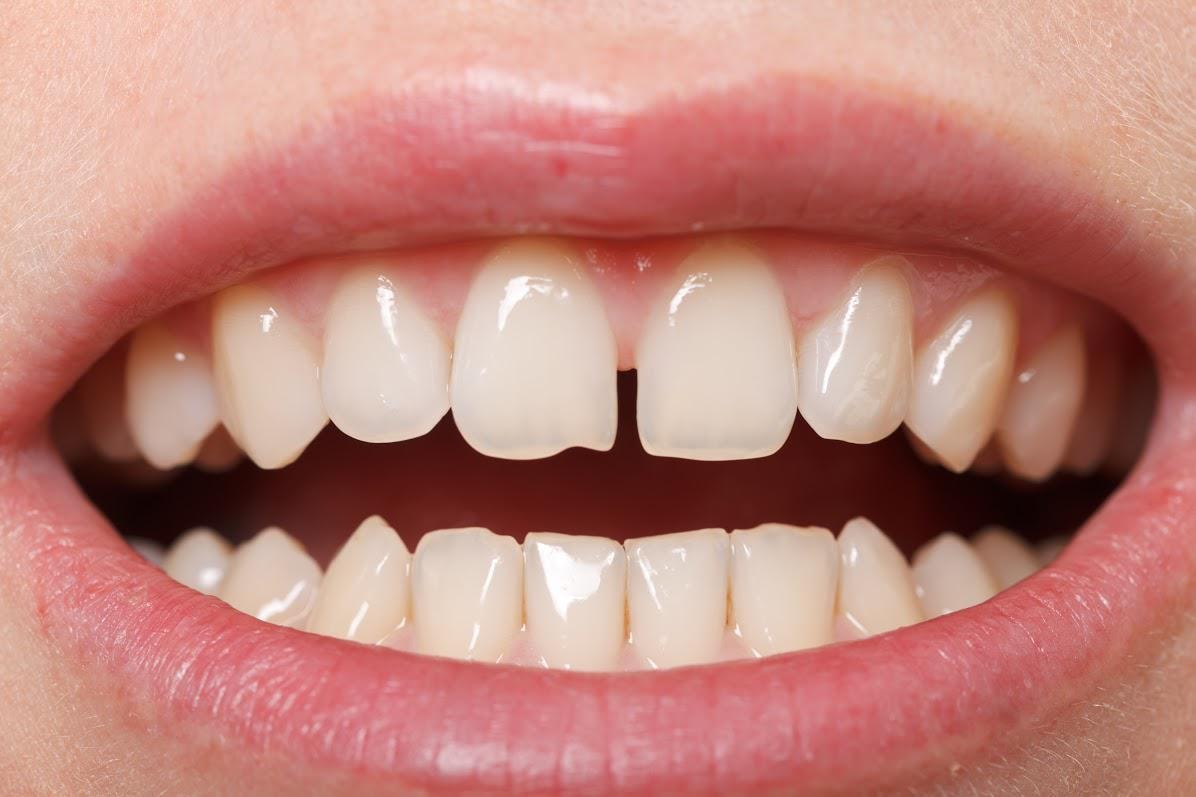
Ever look at your smile in a photo and think, “Should I close this space or leave it?” Many people ask that same question, because a gap between teeth can feel like a style choice for one person and a stress point for another. In most cases, a tooth gap is linked to many factors such as jaw size, the gum tissue between the teeth, or oral habits.
A gap between front teeth often shows up between the two upper front teeth, so it draws attention fast. Let’s break down what causes it, when it turns into a problem, and which treatment fits your goals.
What Causes a Gap Between Teeth?

A tooth gap can show up anywhere in the mouth, yet people spot it most between the upper front teeth. A gap wider than 0.5 millimeters is called a diastema. Causes include:
Typical sequence in many other orthodontic treatments too:
Missing teeth or tooth loss: nearby teeth shift, so other teeth move, and spacing grows.
Undersized teeth, often upper lateral incisors: the jaw has more room than the tooth shape fills.
Thumb sucking and thumb habits, plus tongue thrusting: the tongue and lip push teeth apart over time.
Gum disease and periodontal disease: With advanced gum disease, bone loss starts, the jawbone support drops, and loose teeth can drift.
Oversized labial frenum: the lip frenulum can grow large between the front teeth and push them apart, and also pull thin tissue at the gum line.
Also, misalignment issues and crooked teeth can come from a jaw and teeth size mismatch. That mismatch can affect upper and lower teeth, including lower teeth in the lower jaw.
When Does a Gap Between Teeth Need Treatment?
Some gaps stay as a cosmetic issue. Still, others cause oral health issues. So ask yourself:
Does food pack in the space near the gums and raise oral health risk?
Do you see gum line changes, bleeding, or signs of gum problems?
Did you lose a tooth, or do you suspect missing bone support?
Do you want teeth closer for bite balance across the upper and lower teeth?
If you see gum swelling, breath changes, or pain, treat gum disease first. Also, keep up with regular dental check-ups.
Common Treatment Options for Fixing a Gap Between Teeth

Treatment Options for Fixing a Gap Between Teeth
You can fix gaps with cosmetic dentistry or orthodontic treatment, but the right plan depends on why the space formed.
Dental bonding: A cosmetic dentist applies tooth colored resin to natural teeth to close small gaps. It suits front teeth when you want a fast change.
Porcelain veneers: Veneers cover small gaps and reshape the look of pearly whites. This option fits people who also want shape and color changes.
Braces: Braces move two teeth, then the other teeth, into better alignment. Traditional braces use metal or ceramic brackets and wires. Many patients need 18 months to 3 years.
Clear aligners: Clear aligners like Invisalign use removable trays for mild to moderate spacing. They often run 6 to 18 months. They do not work well for gaps larger than 6 mm and severe cases.
Frenectomy: A frenectomy is a minor oral surgery that removes an oversized labial frenum that pushes teeth apart. Many plans pair this with orthodontic treatment.
Dental implant or bridge: If you have missing teeth, a dental implant fills the space after tooth loss. Dental bridges use nearby teeth as anchors to hold a prosthetic tooth.
If you want to treat gapped teeth for long-term stability, keep retainers in the plan. Also, avoid oral habits like thumb sucking and tongue thrusting, since they can reopen spaces.
Gap Between Teeth Treatment Options
Different treatment options work for different gap sizes, causes, and timelines. Use this quick comparison to see which choice fits your mouth, goals, and budget.
| Treatment | Best for | Time | Notes |
|---|---|---|---|
| Dental bonding | Small gaps | 1 visit | Resin can chip, needs care |
| Porcelain veneers | Small gaps + shape change | 2 to 3 visits | Strong cosmetic dentistry option |
| Braces | Most cases, alignment issues | 4–8 months | Closes spaces across the upper and lower teeth |
| Clear aligners | Mild to moderate gaps | 4–8 months | Not for gaps over 6 mm |
| Frenectomy | Frenum-driven spacing | Short visit | Pairs with orthodontics |
| Dental implant/bridge | Missing tooth | Varies | Restores function and spacing, usually done in combination with orthodontics |
This table gives a fast view, but your dentist or orthodontist should confirm what suits your teeth and gums. The right plan depends on alignment issues, oral health, and whether missing teeth or gum disease caused the gap.
Choosing the Right Treatment for a Gap Between Teeth
Start with the cause, then match the treatment. If you have gum disease, fix that first, because gums and bone determine stability. If you have missing teeth, consider an implant or bridge, because the two front teeth can drift into the space. If you want a cosmetic change for the upper front teeth and you have small gaps, bonding or veneers may fit.
If you want to move teeth apart into proper positions across the mouth, choose braces or aligners. A gap between teeth can look simple, yet the jaw, tissue, and bite make it more than it looks.
How Dr. Dante Gonzales Approaches the Gap Between Teeth Treatment?

At Dante Gonzales Orthodontics in Dublin, California, we start with an exam of the entire mouth. Then we check the spacing drivers like tongue posture, top lip tension, and frenum pull near the upper lip. Next, we map how upper and lower teeth meet, because bite balance controls relapse.
We also look for oral health issues linked to periodontal disease and bone loss, since those cases need a team approach with dentistry. Dr. Gonzales is a specialist in orthodontic treatment planning, so patients get options that match goals, budget, and the condition of permanent teeth.
Final Thoughts
If you want to close a gap between front teeth, you have options, and you can choose one that fits with your goals, lifestyle, and budget. Keep strong oral health with brushing, flossing, cleanings, and regular check-ups, since early gum care helps prevent bone loss. Stop habits like thumb sucking and tongue thrusting, and use a mouthguard for sports.
A frenectomy may help if a frenum pushes teeth apart. Braces, clear aligners, bonding, veneers, or implants can close gaps. Connect with Dante Gonzales Orthodontics and book your appointment.