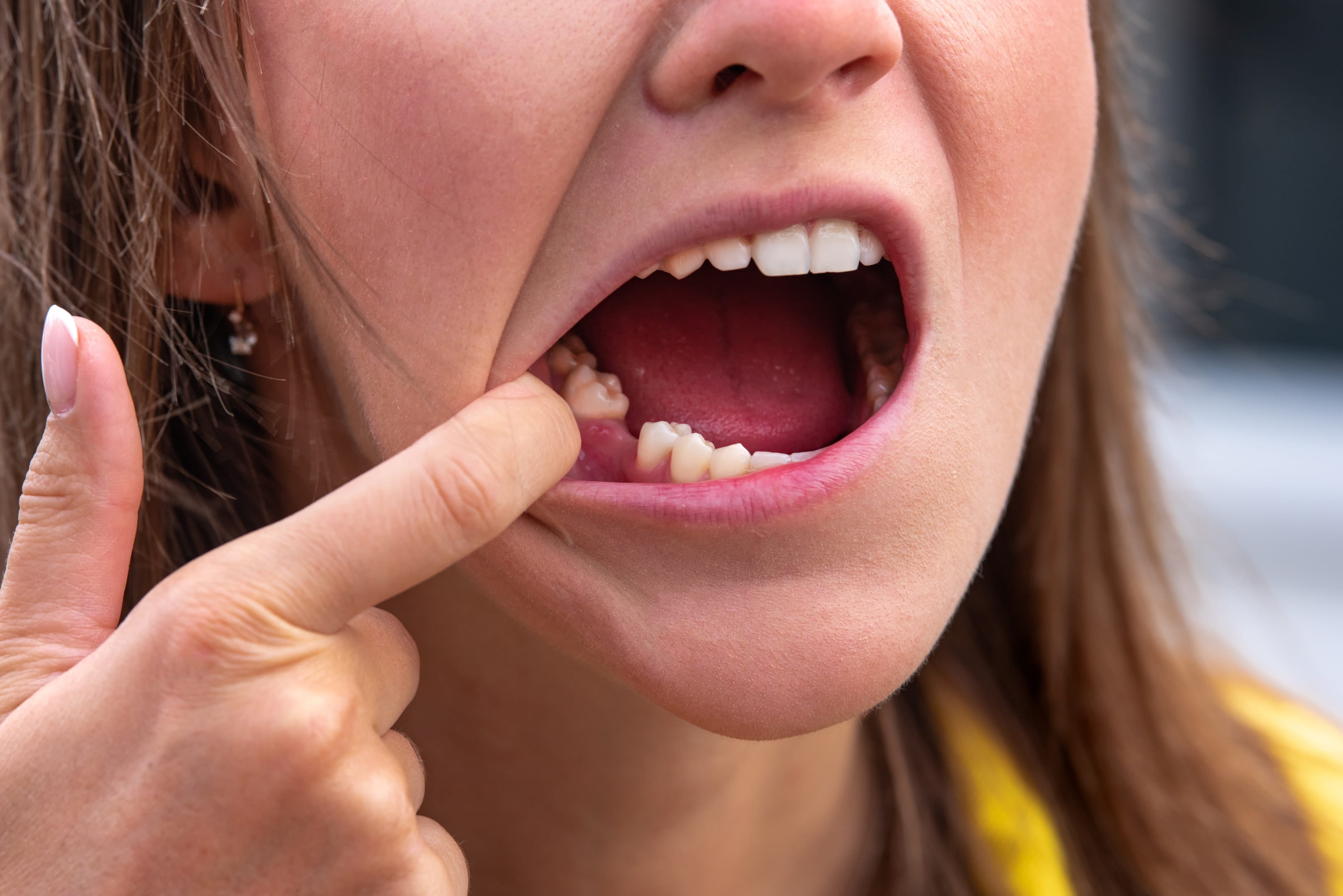
can you get braces with missing teeth
People wonder, can you get braces with missing teeth and still finish strong? Short answer, yes. With the right treatment plan, braces with missing teeth can guide remaining teeth into stable positions, protect bite function, and prepare spaces for dental implants or other tooth replacement later. Sounds technical, but it’s very doable.
When tooth loss changes the bite, orthodontic treatment helps control teeth shifting, balances forces between front and back teeth, and keeps surrounding teeth from drifting. We plan movement around gaps, sometimes close them, and sometimes hold them open for future restorative work. That’s how we see it anyway.
Are You a Good Candidate for Braces with Missing Teeth?
Many orthodontic patients arrive with one or multiple teeth already gone. Some lost primary teeth early; others had adult teeth removed after tooth decay or a root canal. The right plan depends on space size, bone support, and how the jaw alignment behaves when you chew.
Good candidates usually include:
People with crooked or crowded teeth plus one or two gaps in the arch
Teens with permanent teeth missing congenitally and enough bone for future implants
Adults with stable gums, no active gum disease, and realistic timing for tooth replacement
Patients ready for regular visits and steady cleaning habits
If there's an active infection or untreated gum disease, we pause and stabilise first. Healthy foundations first, movement second.
How Braces Work When Teeth Are Missing
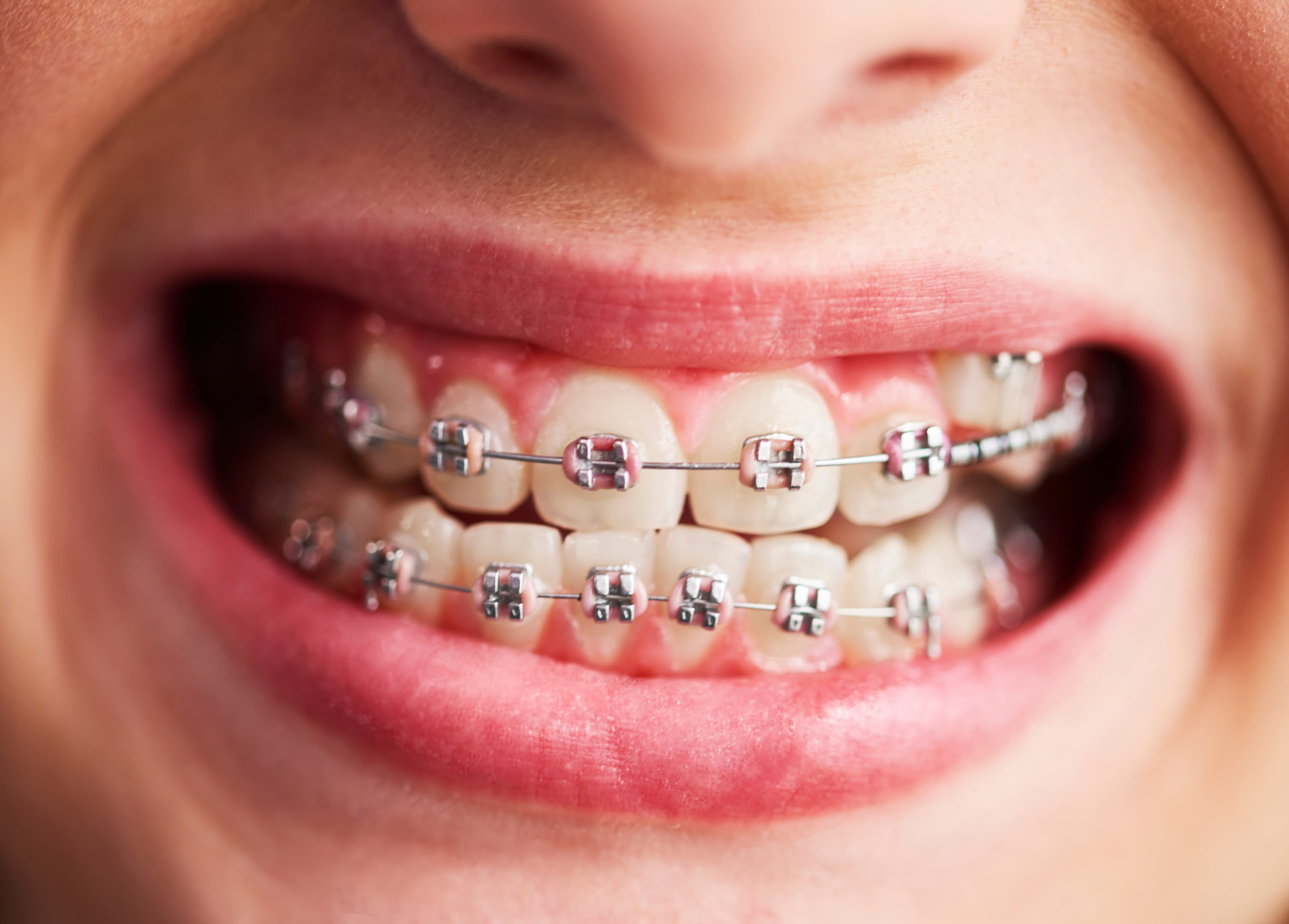
You can get braces even if one side has a gap. Mechanics change a little, not the goal. Braces with missing units use the remaining anchors to move teeth into ideal positions, improve the bite, and set the stage for the final look.
Options we consider:
Close small spaces fully when it benefits the dental structure and smile line
Partially close and reshape, then plan dental implants later
Hold a space precisely for partial dentures or a bridge if implants are not chosen
Consulting with your general dentist to determine what type of restorations they are planning.
Braces treatment might be traditional braces, traditional metal braces, ceramic braces, lingual braces, or clear aligners. Choice depends on your dental issues, hygiene, and budget. Yes, braces options exist even here.
Space Management With Braces And Missing Teeth
| Situation | Orthodontic Approach | Next Step After Braces |
|---|---|---|
| Crowded front teeth | Align teeth to reduce overlap | Minor reshaping or retainers if needed |
| Spacing between teeth | Close spaces using braces or aligners | Bonding or veneers for final aesthetics |
| Missing back tooth | Maintain space during alignment | Dental implant or bridge placement |
| Uneven bite (open/deep bite) | Adjust vertical tooth position | Bite refinement or restorative correction |
| Jaw midline discrepancy | Reposition teeth to center midline | Evaluate need for cosmetic finishing |
Every case is personal. A personalized treatment plan avoids shortcuts and protects long-term oral health.
Will I Need Implants Before Or After Braces
Both paths work. Some patients place implants after alignment so the posts land in the best spot. Others need a single implant first to stabilise chewing, then full movement. Timing of implants and orthodontic treatment depends on bone healing, age, and how your mouth responds.
Simple rule of thumb:
If we must reshape the entire arch, we align first, close gaps we don’t need, and leave surgical space where we do.
If chewing collapses without a molar, we coordinate with a restorative dentist to stage an early solution.
What About Aligners When Teeth Are Missing
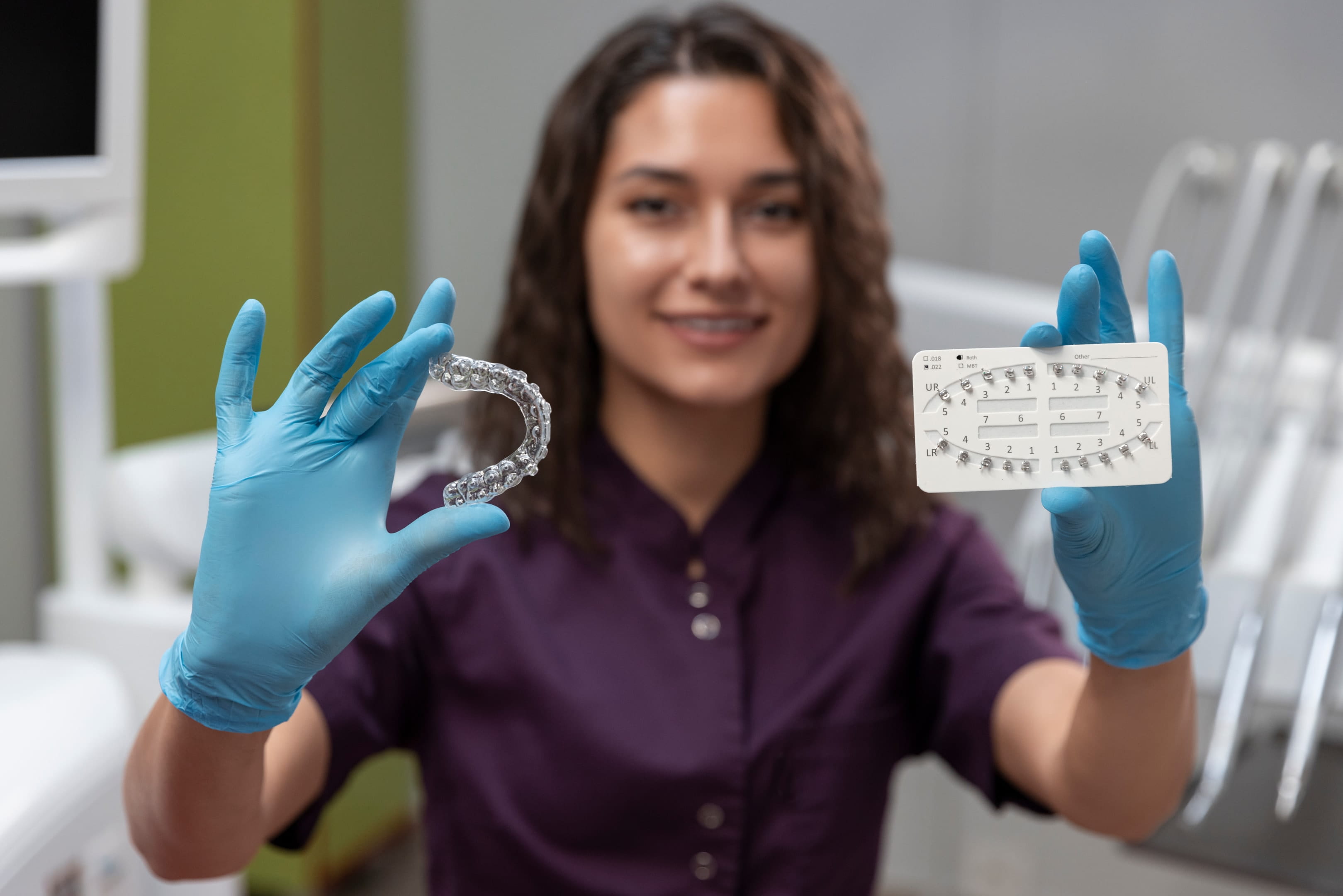
Clear aligners can handle many cases of braces with missing teeth, especially when rotation is moderate and bone support is good. Aligners excel at controlled tipping and space holding. That said, complex root positioning, asymmetry, or large spaces may still love fixed metal braces for precision. Braces work best when we need heavy torque. Invisalign treatment or other trays can still be part of the plan, but every decision follows the bite map.
Hygiene And Checkups Matter More Here
Spaces collect plaque. Keep dental health steady during orthodontic care so gums stay quiet and movement stays on schedule.
Habits that help:
Brush three times/day, floss daily, rinse around open areas
Be faithful with 6 month regular check ups at your dentist so we catch cavities early
Watch sugar to protect the other teeth during longer plans
Healthy tissue supports faster movement and a healthier smile at the end.
What Happens After Braces Removal
Once aligned, we wear retainers to hold the arch shape and protect your ideal smile. If we planned dental implants, you’ll have exact space preserved for placement. If we fully closed, enjoy the finish and stable chewing. Some cases combine small contouring or dental bonding for perfect edges. The aftercare is as important as the journey itself.
Braces With Missing Teeth Pros And Cons
Pros
Can straighten teeth, fix bite issues, and prepare exact implant spaces
Prevents surrounding teeth from drifting
Helps design a balanced smile line despite missing units
Cons
More planning visits and imaging
Longer timelines when tooth loss is extensive
Extra hygiene care around spaces
Even with these, many patients finish with a strong, complete look.
Final Thoughts
We plan carefully when braces with missing teeth are involved. We map spaces, align the arches, and time tooth replacement so function and looks meet cleanly. If you’re ready to get braces and want the right solution for your case, we’ll guide every step at Dr Dante Gonzales Orthodontics.
We’ll build a personalized treatment plan, coordinate dental implants if needed, and keep your remaining teeth protected while we work toward your beautiful smile.