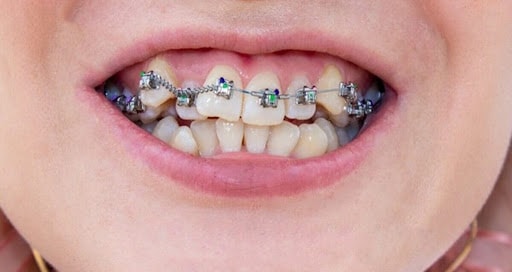
braces on crooked teeth
Crooked teeth are more common than most people think. Some are just slightly twisted, while others overlap or tilt because of crowded teeth, misaligned teeth, or poor jaw growth. Whatever the reason, the truth is simple: properly aligned teeth make eating, speaking, and smiling more efficient, more harmonious, and of course more spectacular. And yes, braces fix crooked teeth effectively when planned right.
When we see crooked bottom teeth or gaps forming between front teeth, it’s not just a cosmetic issue. Over time, misalignment can lead to gum disease, jaw pain, excessive wear and chipping, and even tooth decay from the inability to clean the teeth well. So, correcting them early keeps your overall dental health stronger for life. That’s what all of the studies show, and what we have seen in our practice for over 30 years.
Why Teeth Become Crooked
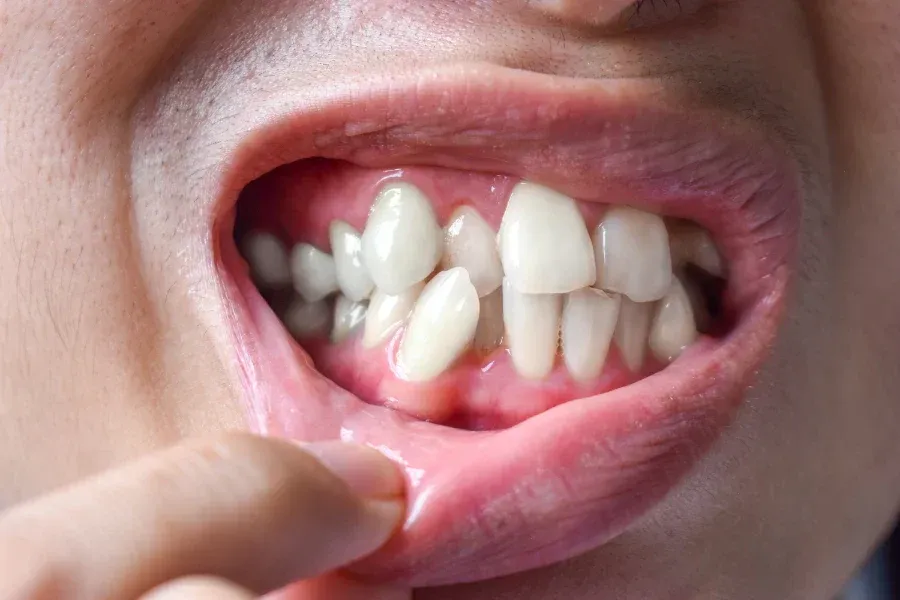
crooked teeth
Primarily, it’s genetics. Other times, it’s habits or jaw growth abnormalities. Teeth drift as we age too, which surprises many adults. Every case of crooked teeth is slightly different.
Common reasons include:
The teeth are too big for the jaws and crowd together in order to fit in the jaws
Jaw alignment problems: when the upper and lower jaws don’t fit together properly.
Thumb sucking or mouth breathing during childhood.
Loss of primary teeth too early or too late.
Not enough space for permanent teeth, leading to crowded and crooked teeth.
Injury or trauma that moves the teeth out of the correct position.
Whatever the cause, modern orthodontic treatment gives several treatment options to fix crooked teeth, even in complex cases.
How Braces Actually Work on Crooked Teeth
It looks like simple brackets, wires, and rubber bands. But it’s an amazing science. Braces on crooked teeth use gentle, constant force to move teeth toward their desired position.
Here’s what happens behind the scenes:
Each metal bracket is bonded to the tooth’s surface.
The archwire connects the brackets and guides movement.
Over time, pressure reshapes the bone around the roots, letting teeth straighten gradually.
With regular orthodontist adjustments, we keep things moving in the right direction.
The body adapts naturally. Even severely crooked teeth can align beautifully over months of careful movement. Feels strange sometimes, but you get used to it.
Different Braces Options for Crooked Teeth
When it comes to braces treatment, not every patient needs the same style. Some want invisible designs. Others prefer durable ones. Every orthodontist recommends based on the treatment plan, comfort, and how much movement is needed.
| Type of Braces | Description | Best For | Visibility |
|---|---|---|---|
| Traditional metal braces | Classic stainless steel brackets and wires. | Moderate to severe crooked teeth. | Noticeable but very effective. |
| Ceramic braces | Tooth-colored and blend with enamel. | Those who want less visible options. | Less noticeable than metal. |
| Lingual braces | Attached behind your teeth, hidden from view. | Professionals or adults concerned about looks. | Virtually invisible. |
| Clear aligners (Invisalign) | Removable trays that shift teeth slowly. | Mild to moderate misalignment. | Almost invisible. |
Each has its pros. Traditional braces and metal braces move teeth faster and handle complex cases, while clear aligners suit mild corrections and daily comfort. Lingual braces combine invisibility with strong force, though they need a short initial adjustment period.
Braces Fix Crooked Teeth in Different Ways
The technique differs depending on whether you have overlapping front teeth, crooked bottom teeth, or rotated molars. Every case starts with a proper treatment plan after an initial consultation and x-rays.
Here’s how we approach it:
For crowded teeth, we expand or make space with palatal expanders if needed.
For slightly crooked ones, small wire bends and regular adjustments do the trick.
In complex cases, orthodontic treatment may use elastics or rubber bands to guide jaw alignment.
Once movement ends, a retainer locks everything into its desired position.
Even if your teeth are rotated or uneven, braces fix them step by step until we reach proper alignment.
Can Adults Get Braces for Crooked Teeth?

Adults Get Braces for Crooked Teeth
Absolutely. Adult braces are common now. Orthodontic issues don’t stop after childhood, and we see many adults choosing teeth braces to fix long-ignored crooked teeth or spacing.
Adults usually prefer:
Ceramic braces for a discreet look at work.
Lingual braces or clear aligners for privacy.
Traditional metal braces for control in complex cases.
It’s never too late. Teeth move at any age if the gums and bone are healthy. Orthodontic care just needs a little patience and steady cleaning habits.
How Long Does Treatment Take
Braces treatment for crooked teeth usually takes 12 to 24 months. Treatment takes longer when severe crooked teeth or bite issues are present. Age, bone density, and cooperation matter too.
Various factors that affect time include
How much movement your teeth need.
Type of braces you choose.
Consistency with regular adjustments and hygiene.
Following dietary care (avoiding sticky foods).
Most patients start seeing visible changes within the first few months. That’s when self-confidence grows a little, and you begin to notice your smile shaping differently.
Other Orthodontic Tools That Support Braces
Some orthodontic treatments need extra tools to guide teeth straightening. It sounds technical, but it’s simple when explained.
Supporting tools include:
Palatal expanders for narrow arches.
Rubber bands to adjust bite balance.
Retainers for long-term hold after braces removal.
Small springs or elastics for closing minor gaps.
These help braces work efficiently without causing discomfort. Sometimes a bit of jaw pain or pressure is normal, but it settles as the mouth adapts.
Importance of Oral Hygiene During Braces
Clean teeth move faster and stay healthier. Wearing braces means more corners where food particles hide. So daily care makes a big difference.
Brush after every meal with fluoride toothpaste.
Floss carefully between metal brackets using a threader.
Avoid sticky foods that cling to wires.
Schedule regular cleaning visits and orthodontist appointments for wire checks.
Good oral health protects from cavities, gum disease, and white spots. We always tell patients: small habits protect big results.
Fixing Crooked Teeth: Beyond Braces
Sometimes orthodontic treatment combines other dental solutions after alignment ends. A few orthodontic patients choose finishing touches to polish the look.
Composite bonding smooths small chips or uneven edges.
Whitening brightens your straight teeth after braces come off.
Minor reshaping ensures your dental alignment looks natural.
All of this is optional. But if your goal is a complete, beautiful smile, it’s worth asking during your review visits.
Table: Comparing Different Options for Crooked Teeth
| Option | Visibility | Suitability | Typical Duration | Notes |
|---|---|---|---|---|
| Traditional metal braces | Visible | Works for all orthodontic issues | 18–24 months | Strongest control, ideal for complex cases |
| Ceramic braces | Less visible | Moderate to severe crooked teeth | 18–24 months | More discreet but needs extra cleaning |
| Lingual braces | Hidden behind teeth | Moderate misalignment | 24+ months | Custom-made, takes time to adjust speech |
| Clear aligners | Almost invisible | Mild to moderate crooked cases | 12–18 months | Removable, easy to clean |
| Composite bonding | None | Cosmetic finish | Few hours | For final refinements only |
Each approach has unique benefits, but traditional braces remain the most reliable for full control and proper alignment.
The Role of Regular Adjustments
Braces treatment isn’t a one-time setup; it’s a slow, steady process guided by precision. Every few weeks, you’ll visit your orthodontist for regular adjustments, where small wire tweaks help your teeth continue to move in the right direction. These sessions are the heartbeat of your orthodontic treatment, ensuring progress stays on track and your dental alignment remains balanced.
During these visits, your orthodontist checks wire tension, rebonds any loose metal brackets, and ensures that braces work as expected. Sometimes new rubber bands are added or adjusted to improve bite alignment. Even a millimeter’s change in pressure can influence how crooked teeth begin to settle into proper alignment.
Skipping visits might seem harmless, but it slows down the process. Braces fix crooked teeth only through consistent force; each appointment refreshes that force. Think of it like tuning a piano; without tuning, notes drift off. Similarly, without regular tightening, your teeth straightening rhythm breaks.
Some patients experience mild soreness after adjustments, normal signs that the teeth braces are doing their job. That tenderness fades in a day or two. A quick rinse with warm salt water usually helps. Feels like real progress, honestly.
Over time, these minor tweaks shape your teeth toward their desired position. You may not notice the change week by week, but compare photos every few months, and the difference surprises most patients. Consistency matters here more than anything.
The Results: What You Can Expect
Once treatment ends, the transformation speaks for itself. Braces on crooked teeth don’t just line things up; they rebuild your smile and restore balance between your upper and lower teeth.
After your braces are removed, you’ll notice:
Evenly spaced teeth with no more overlapping or crowding.
A balanced bite that makes chewing smoother and speech clearer.
Improved oral hygiene Brushing and flossing become easier, lowering cavities and gum disease risk.
A more confident, healthier smile that feels natural.
Many patients say they expected just a cosmetic change but noticed more comfort while eating or speaking. The mouth feels lighter, cleaner, and almost unfamiliar at first. That’s when it hits: years of tightness and uneven pressure are gone.
Beyond looks, properly aligned teeth protect long-term dental health. They wear evenly, keep gums cleaner, and prevent future problems like chipping or jaw strain. The payoff of months of orthodontic care is a smile that feels easy not forced. Sometimes it’s those quiet improvements, like biting into an apple without a thought, that make patients realize how far they’ve come.
Final Thoughts
Braces fix crooked teeth safely and steadily, no matter the age. With consistent care, timely visits, and proper hygiene, braces work to give you the beautiful smile you deserve. At Dr Dante Gonzales Orthodontics, we guide every step from initial consultation to the final retainer ensuring your orthodontic treatment brings both properly aligned teeth and lasting comfort. Schedule a free consultation and start your journey to a healthier, confident smile today.