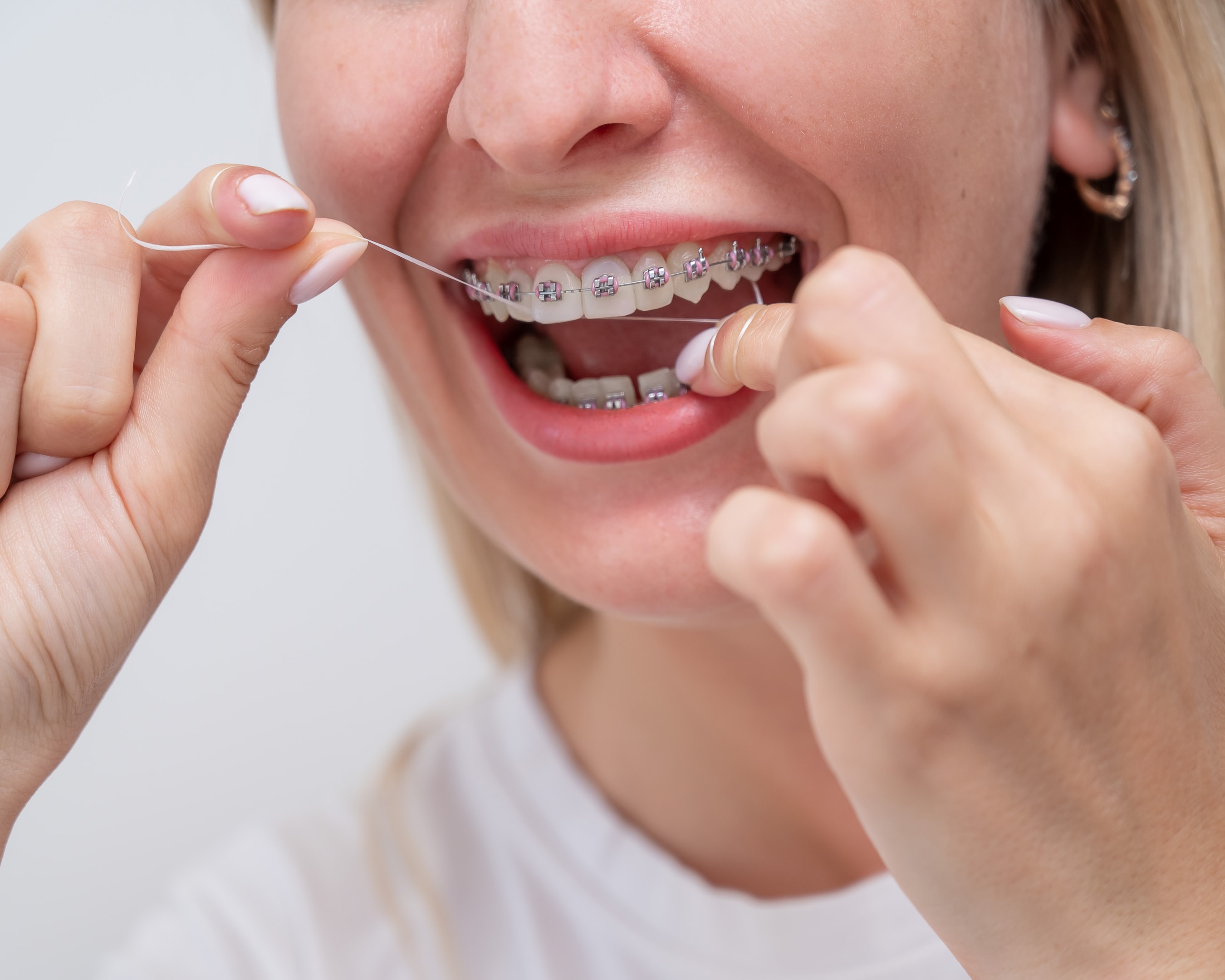
When you wear braces, brushing alone doesn’t cut it. Tiny spaces between the teeth and under the gums cannot be cleaned very well with a tooth brush. And if those food particles stay long enough, plaque hardens and gums start to become infected and inflamed. That’s why flossing with braces isn’t optional, it’s highly critical for a clean, beautiful smile.
Still, many people skip it because it feels tricky. Threading dental floss under the arch wire, tugging it through tight spaces, trying not to snap it, yes, it can test your patience. But once you learn how to floss teeth braces properly, it becomes second nature. That’s how we see it anyway.
Why Flossing Is Even More Important When Wearing Braces
Braces collect more food particles than you think. Even after brushing, small bits stay between two teeth or just under the gum line. These hidden pieces slowly turn into plaque and food particles, causing gum inflammation, tooth decay, and bad breath.
When you floss daily, you remove plaque, keep gums healthy, and prevent gum disease. It’s not just about clean teeth, it’s about long-term oral hygiene and keeping your smile healthy during your braces journey.
Flossing helps:
- Stop early tooth decay
- Avoid swollen or sensitive gums
- Prevent yellow build-up near brackets
- Keep your oral hygiene routine strong
It’s tedious for the first week, but once your fingers learn the rhythm, it’s five minutes of peace.
How Flossing With Braces Works
Regular floss doesn’t slide easily because the arch wire blocks the usual path. So, orthodontists recommend using floss threaders, waxed floss, and/or a water flosser. These make it easier to move around brackets and reach every gap.
Think of a floss threader as a little needle that guides the string floss under the wire. Once it’s through, you just move it up and down between teeth. That’s the heart of braces flossing, slow, careful, thorough.
The Step-by-Step Method: How to Floss With Braces
You’ll need patience, a mirror, and a few minutes. Keep your tools ready, dental floss, floss threader, and maybe a water flosser if you want to finish faster.
Step 1: Cut and Prepare
Cut about 18 inches of waxed floss. Waxed types slide better around wires and brackets.
Step 2: Use a Floss Threader
Insert the floss threader under the arch wire and pull one end of the dental floss through. Hold it firmly between your index fingers. This is where most people give up, but once you get the hang of it, it’s quick.
Step 3: Floss Gently Between Teeth
Slide the string floss carefully between two teeth. Move it up and down along the sides of both teeth. Curve slightly toward the gum line but avoid snapping it. You’ll feel the floss cleaning, a tiny squeak sometimes means you’ve done it right.
Step 4: Move to the Next Tooth
Pull out the floss, re-thread under the next section of wire, and repeat. It’s repetitive, yes, but it’s worth every minute.
Step 5: Rinse and Inspect
After you finish, rinse to remove food particles and plaque loosened during flossing.
Common Flossing Tools for Braces
| Tool | How It Helps | Best For | Notes |
|---|---|---|---|
| Floss Threader | Threads floss under wires easily | Daily use | Reusable, small to carry |
| Waxed Floss | Slides smoothly, resists shredding | Beginners | Avoid unwaxed floss with braces |
| Water Flosser | Uses a water jet to remove large debris | Quick cleaning | Gentle on sensitive gums |
| Dental Tape | Thicker and flat | Wider gaps | May not fit tight spaces |
| String Floss | Classic method | Traditionalists | Works with threaders |
Each person finds their comfort tool. Some mix them, floss threaders on weekdays, water flossers when tired. No rulebook here, just what keeps your braces clean.
Tips to Make Flossing Easier
You don’t need perfection, just consistency. Try these small tricks that make the process easier.
- Floss at night when you’re calmer. Morning rushes only lead to skipping.
- Keep your elbows close while you work; it steadies your hand.
- Use floss threaders made of flexible nylon; they don’t poke.
- For tight gaps, choose dental tape or thin waxed floss.
- Rinse before and after to wash out food particles stuck near brackets.
- Combine an electric toothbrush with flossing for complete care.
Feels strange the first few nights, but after a week, you’ll floss faster than you think.
The Importance of Using Waxed or Specialized Floss
With braces, the type of floss matters as much as the act itself. Waxed floss doesn’t fray against wires, and unwaxed floss can tear mid-way. A smooth glide reduces friction and avoids irritation around sensitive gums.
Dental tape works well if your teeth have tight spaces, while string floss offers more precision for small corners. Mix and see what works best. The goal isn’t fancy tools, it’s making sure you remove plaque every day.
Traditional Flossing vs Water Flosser
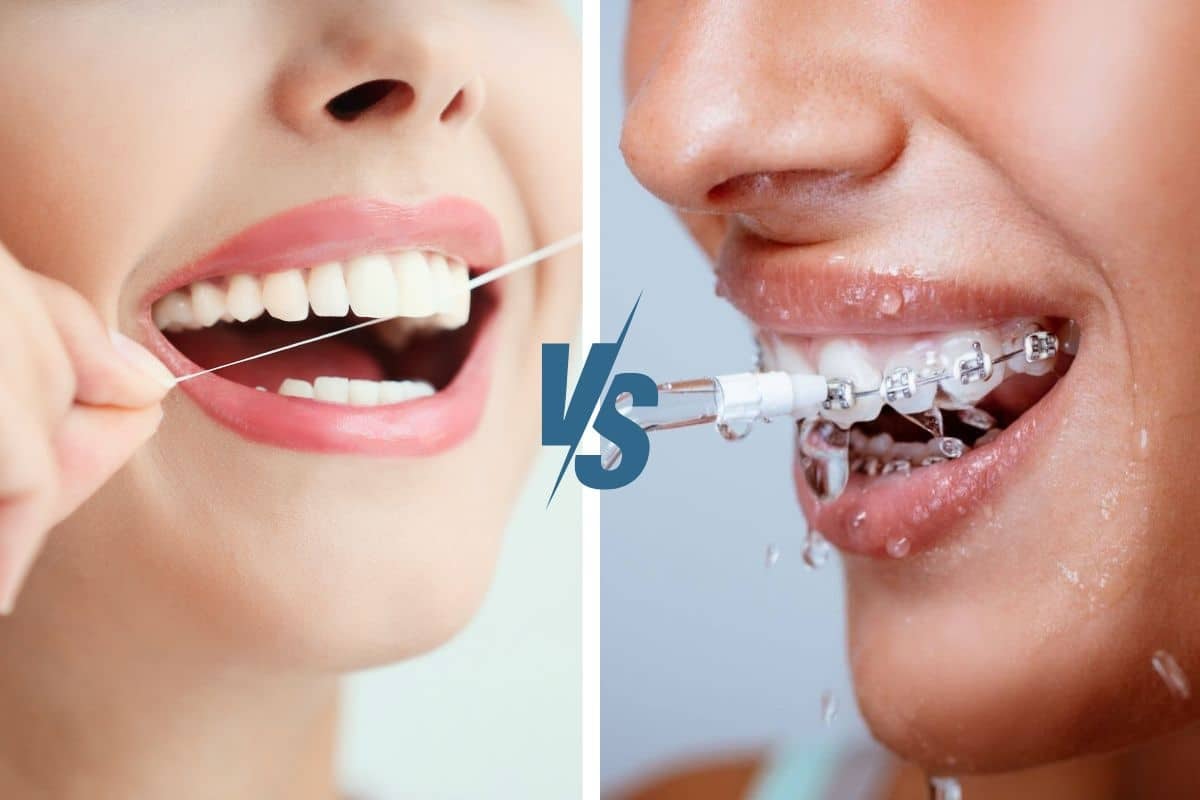
Both clean well, but they serve different moods. Traditional flossing with floss threaders gives control, you feel each gap, each clean stroke. Water flossers are quicker, especially for people who wear braces and get tired of threading daily.
| Comparison | Traditional Flossing | Water Flosser |
|---|---|---|
| Technique | Manual, uses floss threader | Uses water jet |
| Time | 5–10 minutes | 2–3 minutes |
| Comfort | Requires patience | Gentle, ideal for sensitive gums |
| Effectiveness | Deep cleaning under wires | Great for tight spaces |
| Portability | Compact | Needs plug or charge |
If possible, combine both. Start with the water flosser to remove food particles, finish with traditional floss for removing plaque near the gum line. It’s the cleanest combo.
Why Skipping Flossing Isn’t Worth It
It’s easy to think brushing is enough. But skipping flossing allows debris to stay trapped where the toothbrush can’t reach. That buildup turns into tartar, leading to gum inflammation and eventually tooth decay.
Skipping once or twice won’t ruin your smile, but making it a habit will. Clean brackets, clean wires, clean teeth, that’s what keeps your smile shining after the braces come off.
So, even on tired nights, give it those few minutes. Your future self will thank you.
Small Orthodontic Tips For Daily Care
Orthodontic tips that most people learn late:
- Always floss before brushing, it clears the path for your toothbrush.
- If your gums bleed mildly at first, it’s normal. Keep going gently.
- If bleeding continues for weeks, consult your dentist.
- Carry a small floss threader pack in your bag.
- Don’t forget the next tooth just because it looks clean.
- Reward yourself after every week of consistency. Tiny celebrations help.
Feels funny sometimes, but that’s what real daily care looks like, small persistence, not perfection.
How Often Should You Floss With Braces
Ideally, floss daily. If that’s tough, start with every alternate night. The goal is progress, not pressure. Floss regularly till it becomes routine. Once your fingers adapt, you’ll take less time.
For a full oral hygiene routine, combine:
- Two rounds of brushing using a soft toothbrush
- Flossing tools to clear between teeth
- Rinsing with plain water or mild mouthwash
You don’t need fancy gadgets, just consistency.
Common Flossing Mistakes To Avoid
| Mistake | Result | Fix |
|---|---|---|
| Pulling too hard | Cuts or irritates gums | Move gently along gum line |
| Not cleaning under wire | Hidden food particles | Use a floss threader |
| Using unwaxed floss | Breaks easily | Switch to waxed floss |
| Rushing through | Leaves plaque behind | Take 5 steady minutes |
| Ignoring corners | Plaque and food particles stay | Floss both sides of each tooth |
Most of us rush, but flossing rewards patience. One careful night saves days of sore gums later.
Maintaining Oral Hygiene During Orthodontic Treatment
While you wear braces, your mouth needs extra care. The combination of brushing and flossing keeps your oral hygiene balanced. Floss threaders are small but mighty, they reach where nothing else can.
Pair them with water flossers once a week to clean around tight spaces and the arch wire. Add fluoride toothpaste to keep tooth enamel strong. Avoid sugary snacks between meals, sugar hides under the wire longer than you think.
A clean mouth also keeps adjustments smooth. Orthodontists can work faster when they see less buildup. That’s one hidden perk of good oral hygiene.
Final Thoughts
Learning to floss with braces isn’t just about clean teeth. It’s about patience, routine, and care. The time you spend now protects your gums, prevents tooth decay, and keeps your smile healthy for life.
If you’re struggling with technique or need a demo, visit Dr Dante Gonzales Orthodontics. We can show you the right way to use a floss threader, recommend suitable flossing tools, and help you build a practical oral hygiene routine that fits your schedule.
Keep it simple, brush and floss, stay consistent, and your beautiful smile will thank you later.