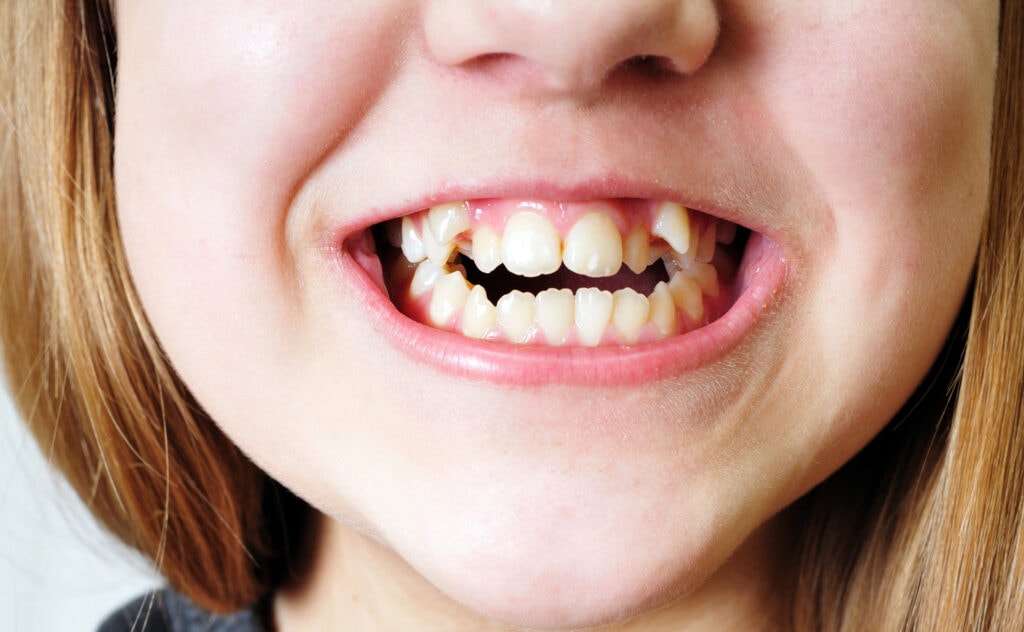
Have you looked in the mirror and thought, “Why do my teeth look tighter each year?” If you feel that, you are not alone. Many people in California deal with overlap, shifting, and bite strain, even when they brush and floss.
The good news is that this problem has clear causes and clear fixes. In this guide, we will walk you through what starts it, what signs are crucial, and what dental professionals do to correct it. Then you can decide what step makes sense for your dental health.
What Are Crowded Teeth?
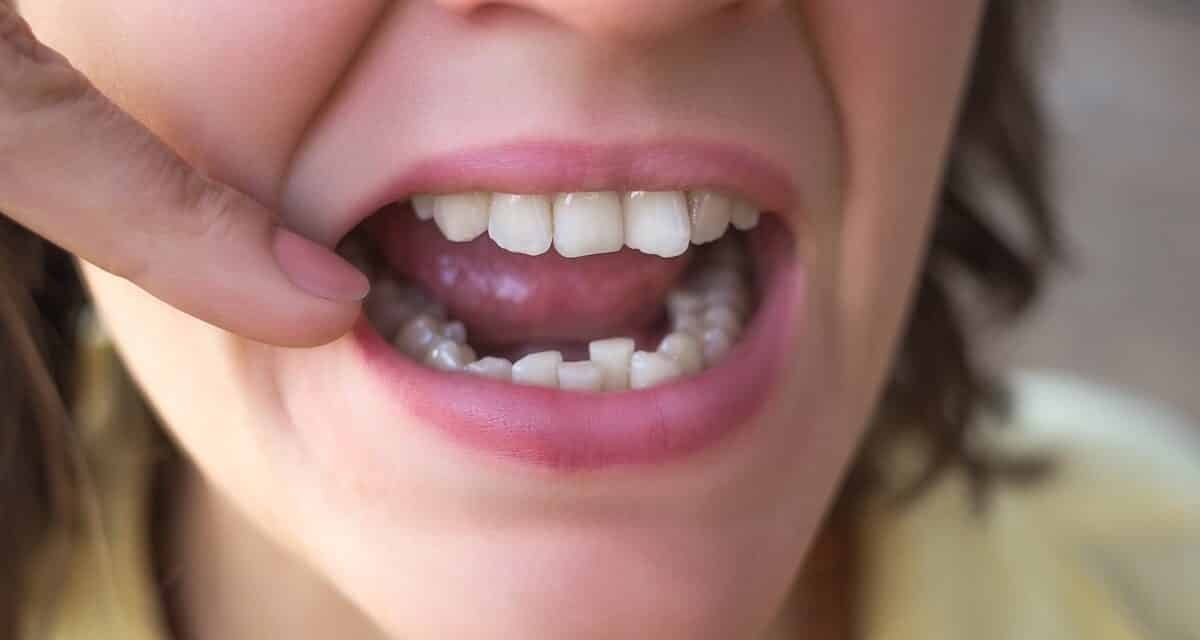
Dentists call this dental crowding. It happens when there is a lack of space in the jaw, so one or more teeth cannot settle into a correct position. As a result, teeth overlap, rotate, or push forward. Sometimes it affects the upper jaw, sometimes the lower jaw, and in many people, it shows up as lower teeth crowding first.
Here is the simple picture:
- Your jaw size and the size of your existing teeth do not match.
- There is not enough room for all the permanent ones.
- So the patient’s teeth compete for the same necessary space.
You might notice mild crowding where only one tooth turns. Or you might see moderate crowding where several teeth overlap, and cleaning feels hard. In severe cases, the bite shifts and the gums feel sore because pressure spreads into surrounding tissues.
What Causes Crowded Teeth?
Crowding comes from several factors, and many patients have more than one underlying cause. So it helps to look at the common triggers.
Jaw Size, Large Teeth, and Family History
Genetics plays a big part. If you inherit a smaller jaw or large teeth, you start with less space. Then the remaining teeth have fewer places to go. That is why you may see the same pattern in close family members.
Baby Teeth Timing and Drift
Early or late loss of baby teeth can change the path for permanent teeth. If baby teeth fall out early, nearby teeth drift into that gap. Then the permanent ones lose their landing spot. If baby teeth stay too long, they can block permanent teeth and force tooth movement into odd angles.
Thumb Habits and Growth Changes
Prolonged thumb sucking, tongue thrusting, and long pacifier use can shape the jaw during growth. Over time, this can narrow the upper jaw, change how air flows during speech, and set up crowding in the front.
Wisdom Teeth and Lack of Space
Wisdom teeth can contribute when they erupt with not enough space. Not every case comes from wisdom teeth, yet they can add pressure at the back, especially if the lower jaw already feels tight.
Gum Disease, Bone Support, and Adult Shifting
In adults, gum disease and periodontal disease can damage the support around teeth. When the gums and bone lose strength, teeth shift. That can increase tooth wear and raise the risk of tooth loss.
The World Health Organisation (WHO) recognizes malocclusion, which includes crowding, as one of the most prevalent oral disorders globally, ranking third after dental caries and periodontal disease in oral health burden.
Signs That Crowded Teeth Need Treatment
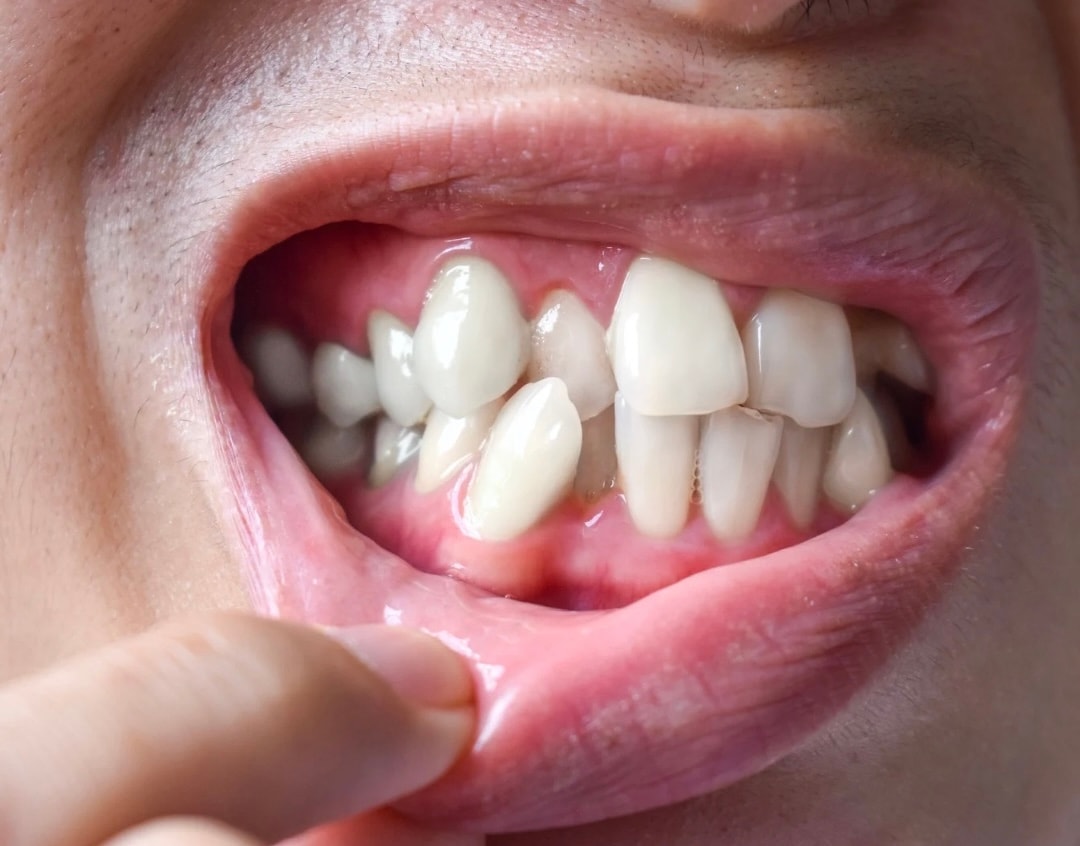
Some people live with mild crowding and feel fine. However, sure signs tell you it is time to plan treatment options.
Watch for these:
- You trap food particles between tight contacts, so brushing feels incomplete.
- Floss tears or cannot pass, which hurts oral hygiene and overall oral health.
- Bad breath that returns fast, even after brushing, because plaque hides in tight spots.
- Swollen or irritated gums, which can progress into gum disease if left untreated.
- Jaw pain, tension headaches, or clicking can point to TMJ strain.
- Bite feels off, so you chew on one side or feel pressure on molars.
- Teeth rub and chip, which increases enamel stress and teeth wear.
If you notice speech changes, like a lisp, pay attention to them. Overcrowded teeth can affect tongue placement, so speech and chewing both feel harder.
How Dentists Diagnose Crowded Teeth?
A good diagnosis feels simple, yet it follows a clear system. First, your provider checks the patient’s teeth in a complete exam. Then they look at your bite and your jaw relationship.
Most orthodontic care teams use:
- Photos and a visual exam to map teeth overlap and rotations
- Digital scans or impressions to measure how much space you need
- X-rays to check root positions, wisdom teeth, and any blocked permanent teeth
- Gum checks to rule out periodontal disease, since that changes the treatment plan
Next, they grade the case as mild crowding, moderate crowding, or severe crowding. After that, they build personalized treatment plans that match your age, your gums, and your goals.
How Dentists Fix Crowded Teeth?
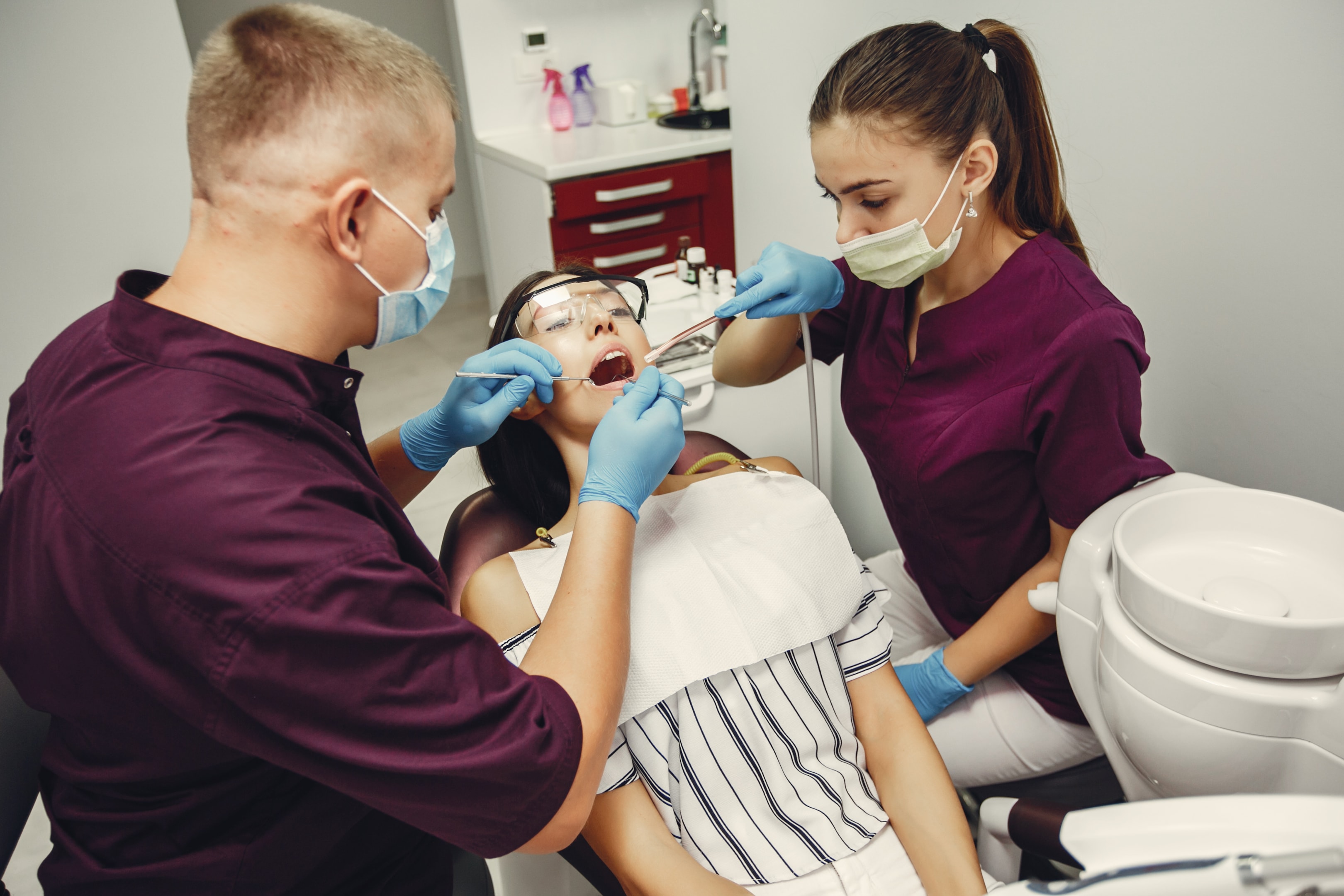
Dentists and orthodontists choose a method based on how much lack of space is lacking, how your upper and lower jaws fit, and how stable your gums are. The goal stays the same: create space, guide tooth movement, and place the patient’s teeth into a correct position for overall oral health.
| Treatment option | Best for | How it works | Key notes |
|---|---|---|---|
| Traditional metal braces (metal brackets + wires) | Moderate crowding to severe crowding | Applies steady pressureto shift teeth into proper alignment graduallyt | Strong control, works well for rotations and bite changes |
| Clear aligners (Invisalign aligners and similar) | Mild crowding to some moderate crowding | Uses custom-made plastic trays to guide tooth movement into the desired position | Removable, supports better oral hygiene if worn consistently |
| Interproximal reduction (IPR) | Mild to moderate teeth crowding | Removes tiny enamel amounts to create space between one or more teeth | Helps floss access, reduces trapping food particles |
| Palatal expansion | Kids with a narrow upper jaw and crowding | Widens the upper jaw to make necessary space for permanent teeth | Works best while growth still helps, often avoids worse crowding later |
| Tooth extraction | Severe cases with significant dental crowding | Removes a tooth to make enough room so the remaining teeth can align | Used when space limits block safe alignment; planned carefully |
| Retainers (after treatment) | Everyone after correction | Holds teeth in place to prevent shifting | Prevents relapse, helps control lower teeth crowding and slows teeth crowding over time |
The right option depends on how much space you need and how your bite loads your molars and front teeth. A consult helps your orthodontist match the safest method to your case and lock results in a retainer so shifting does not return.
Can Crowded Teeth Be Fixed Without Braces?
Sometimes, yes. Sometimes, no. It depends on the amount of space you need and how your bite works.
Options that do not use traditional metal braces include:
- Clear aligners for mild to moderate crowding, if you wear them as instructed
- IPR to create space and improve floss access
- Restorative fixes in select cases, such as bonding on a chipped edge, yet this does not correct the root position.
- Early expansion in children, since growth helps
If you have severe crowding, you often need stronger control. That may mean braces, or aligners with attachments, or extra steps like extraction.
Crowded Teeth in Children vs Adults
Kids and adults both get treatment, yet the path looks different.
Children
Children still grow, so orthodontic treatment can guide growth and create enough room sooner. Early checks help spot problems tied to early loss of baby teeth, prolonged thumb sucking, or a narrow upper jaw. Palatal expansion, space maintainers, and habit coaching can prevent worse dental crowding later. So parents often get more choices.
Adults
Adults have sa table bone structure. That means treatment focuses on tooth movement inside the existing jaw size. Many adults prefer clear aligners for work and social comfort. Others need traditional braces because the bite needs more correction. Adults also need extra focus on gum health. If gum disease exists, treatment must address it first, since inflamed gums raise the risk during movement.
What Happens if Crowded Teeth Are Left Untreated?
It is where the “it is only cosmetic” idea breaks. When teeth pack tight, cleaning becomes harder. Then plaque buildup rises. As a result, you get a higher risk of cavities, gum disease, and bad breath. Over time, bacteria irritate the gums, and inflammation can progress into periodontal disease.
You can also see:
- More cavities in tight contacts because brushing misses the edges
- Swollen gums and bleeding, which can harm overall oral health
- Uneven bite pressure, which can cause chipping or cracking, mainly on molars
- Teeth wear and enamel stress from poor contact points
- Jaw strain and TMJ issues, which can cause chronic pain, tension headaches, and clicking
- Bruxism, which is clenching or grinding that leads to jaw pain and headaches
- Speech and chewing trouble, since alignment affects airflow and bite function
In other words, left untreated, crowding can affect overall wewell-beingnot only your smil—alsoo, but also gum health, which is linked to general health. Many medical professionals recognize the link between periodontal health and cardiovascular risk.
Treatment Planning With Dr. Dante Gonzales

Suppose you want orthodontic care that feels clear and personal; treatment planning matters as much as the device. At Dante Gonzales Orthodontics in California, we start with a complete evaluation, then we map a treatment plan around your bite, your gums, and your daily life.
Here is what that looks like in real terms:
- First, we check your patient’s teeth, bite contact points, and signs of tooth wear.
- Next, we review scans and X-rays, including wisdom teeth position and root angles.
- Then, we explain treatment options in plain words, including clear aligners, traditional braces, and space-making tools like IPR or palatal expansion.
- After that, we build personalized treatment plans with timelines, retainer steps, and hygiene guidance.
We also talk about comfort. If you feel jaw pain or clicking, we watch your TMJ signs. If your gums show inflammation, we coordinate with your dentist so your overall dental health stays protected.
How Long Does It Take to Fix Crowded Teeth?
Time depends on how much tooth movement you need and how stable your bite is.
Many cases fall into these ranges:
- Mild crowding: often 6 to 12 months
- Moderate crowding: often 12 to 18 months
- Severe cases: often 18 to 24 months, sometimes more if extraction or bite correction is needed
Both braces and clear aligners can land in the 18 to 24-month range for many patients. Still, wear time matters for aligners. If you skip hours, results slow, and you can see slower teeth crowding effects later if retention gets ignored.
Cost Factors for Crowded Teeth Treatment
Costs change based on the case, the tools used, and the length of treatment. So it helps to know what drives pricing.
Common cost factors include:
- Severity level, mild crowding vs severe crowding
- Type of appliance, clear aligners vs traditional braces
- Extra steps, IPR, palatal expansion, or tooth extraction
- Imaging, follow-up visits, and retention
- Insurance coverage and financing options
Example ranges many US patients see:
- Clear aligners for mild to moderate cases: $3,000 to $6,500
- Traditional braces with metal brackets: $4,000 to $7,500
- Complex cases with extra steps: $6,000 to $9,000+
Disclaimer: These numbers are general examples for the United States and can change by location, case complexity, and provider. Only an in-office exam can confirm a price and a treatment plan.
Final Thoughts
If you feel your bite shift, your gums swell, or brushing feels like a fight, you do not need to guess. We see these patterns every week, and we know how to correct them with a plan that protects your oral health and your comfort. We also keep the process simple, step by step, so you know what happens next and why.
If you want a healthier smile and stable, proper alignment, we invite you to connect with Dante Gonzales Orthodontics. We will review your goals, explain treatment options, and map the path that fits your life. Book your appointment with our orthodontist today.