
Waking up feeling tired even after a full night of sleep is a common sign that your breathing during sleep is compromised. Sleep apnea is a potentially serious sleep disorder where breathing pauses repeatedly throughout the night. Dante Gonzales Orthodontics evaluates these interruptions through a structural lens, identifying how the anatomy of the mouth and jaw contributes to airway collapse.
Relaxation of the Throat Muscles
The most common form of sleep apnea is Obstructive Sleep Apnea (OSA), which occurs when the upper airway muscles, including the soft palate and the tongue, relax excessively during sleep. When these throat muscles relax, the soft tissue sags and closes off the airway, causing difficulty breathing. As the brain senses the drop in blood oxygen levels, it briefly triggers the body to resume breathing, with a loud snort or gasping sensation.
Narrowed Airway and Jaw Structure
From an orthodontic standpoint, the shape of your upper jaw and lower jaw plays a significant role in airway stability. A naturally narrowed airway or a recessed lower jaw can increase the risk of airway obstruction. If the dental arch is too small, the tongue lacks sufficient space and falls backward, effectively blocking the upper airway. Dante Gonzales Orthodontics focuses on these structural risk factors to identify long-term solutions.
Excess Weight and Soft Tissue
Obesity is a leading risk factor for obstructive sleep apnea. Excess weight leads to fat deposits around the neck, which can compress the airway, as extra soft tissue makes the airway more likely to collapse when you are lying down. Untreated sleep apnea linked to excess weight is also associated with metabolic syndrome and non-alcoholic fatty liver disease (NAFLD), which requires liver function tests for a full health assessment.
Chronic Nasal Congestion
Difficulty breathing through the nose due to allergies or anatomical issues increases the chance of obstructive sleep apnea. Chronic nasal congestion forces the mouth to stay open during sleep, which causes the throat tissues to relax further and narrow the breathing passage.
Genetic and Family History
If your family history has inherited sleep apnea, you have a higher risk due to similar jaw alignments or neck circumferences. These inherited anatomical features are the primary reasons why sleep apnea occurs even in patients without other health conditions.
The Brain's Signaling System
While OSA is a physical blockage, Central Sleep Apnea is a form of sleep apnea where the brain fails to send proper signals to the muscles that control breathing. It is less common and linked to existing medical conditions like congestive heart failure or the use of certain substances that relax the central nervous system. When the brain fails to send these proper signals, the person sleeping simply stops breathing for short periods.
Lifestyle Factors and Substances
The use of alcohol, smoking, or certain sleeping pills can exacerbate breathing problems. These substances relax the throat muscles and increase inflammation in the upper airway. Quitting smoking and losing weight are essential behavioral steps in a comprehensive sleep apnea treatment plan.
Why You Should Diagnose Sleep Apnea Early?
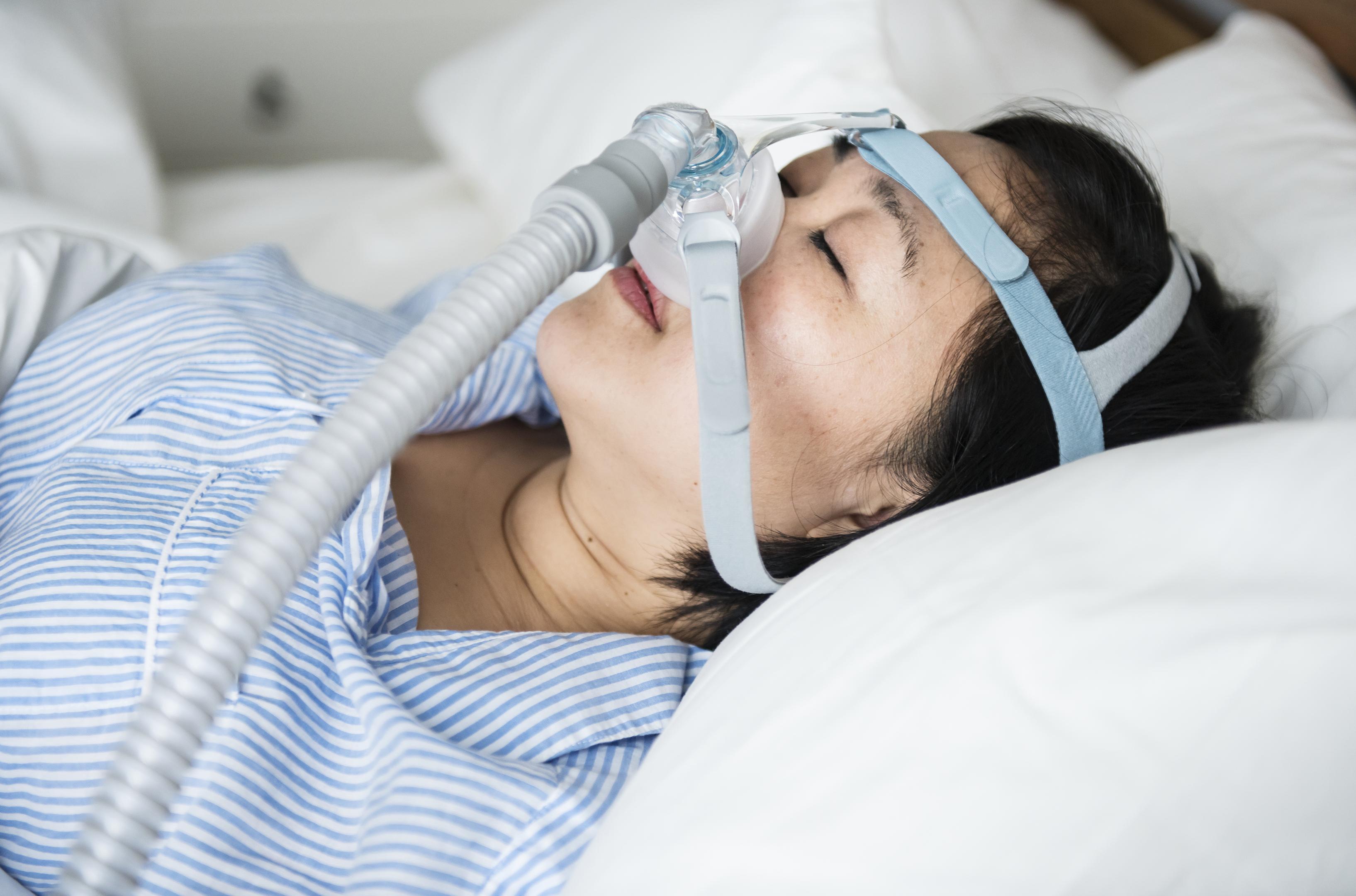
Leaving sleep apnea treated only by "sleeping it off" is dangerous, as fragmented sleep prevents restorative sleep and leads to excessive daytime sleepiness. Daytime sleepiness could lead to fatigue, and lead to decreased productivity, and increased risk of accidents. More importantly, the sudden drops in oxygen levels place immense strain on the cardiovascular system.
Untreated sleep apnea is linked to:
- High Blood Pressure: Repeated oxygen drops cause spikes in blood pressure.
- Heart Disease: Increased risk of recurrent heart attack, atrial fibrillation, and stroke.
- High Blood Sugar: Disrupted sleep interferes with glucose processing, linked to type 2 diabetes.
Contact Us to Reclaim Your Restful Sleep
Identifying what causes sleep apnea is the first step toward preventing serious health problems like high blood pressure and heart disease. When the root cause is anatomical, the most effective treatment focuses on physical alignment rather than just managing symptoms. Dante Gonzales Orthodontics bridges the gap between a sleep study diagnosis and long-term airway stability.
- Airway-focused Assessment: We use advanced digital imaging to evaluate the upper jaw and throat muscles. By identifying exactly where the soft palate or tongue is causing a narrowed airway, Dante Gonzales Orthodontics creates a roadmap for improved breathing during sleep.
- Oral Appliance Therapy: For many patients with mild sleep apnea or those who struggle with CPAP therapy, we provide custom-fitted dental appliances. These devices gently reposition the lower jaw to ensure the upper airway muscles remain taut, preventing the collapse that leads to loud snoring and gasping.
- Orthodontic Structural Realignment: Beyond temporary fixes, our specialized treatments, such as palatal expansion or jaw advancement, address the structural risk factors at their source. By widening the dental arch or shifting the jaw forward, we create a permanent "window" for oxygen, reducing daytime sleepiness and protecting your cardiovascular system.
Experience the life-changing benefits of restorative sleep by correcting the structure of your airway with Dante Gonzales Orthodontics.