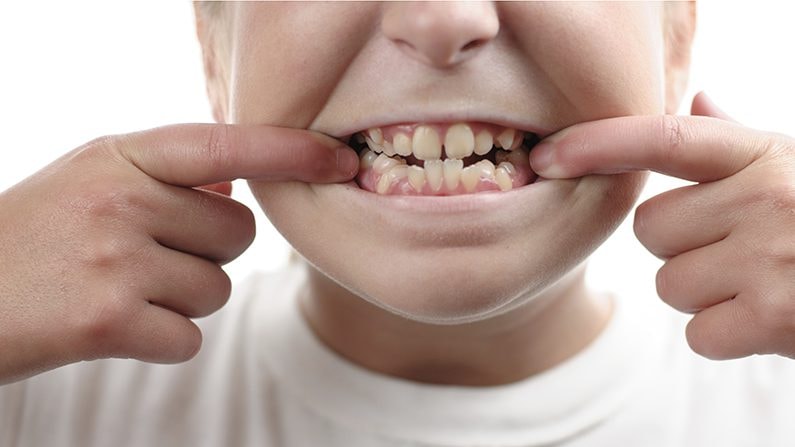
Have you looked in the mirror and felt that your bite feels “off,” even when your teeth look fine at first glance? Many people in California notice small changes, and then they start to ask bigger questions. Why do my upper teeth and lower teeth not meet the same way? Why do I feel jaw pain after meals? If this sounds like you, you are not alone.
We will walk through symptoms, causes, diagnosis, and care in plain words. Also, you will know when your bite needs help, and what steps cyou an ptake to rotect your dental health.
What is Malocclusion?
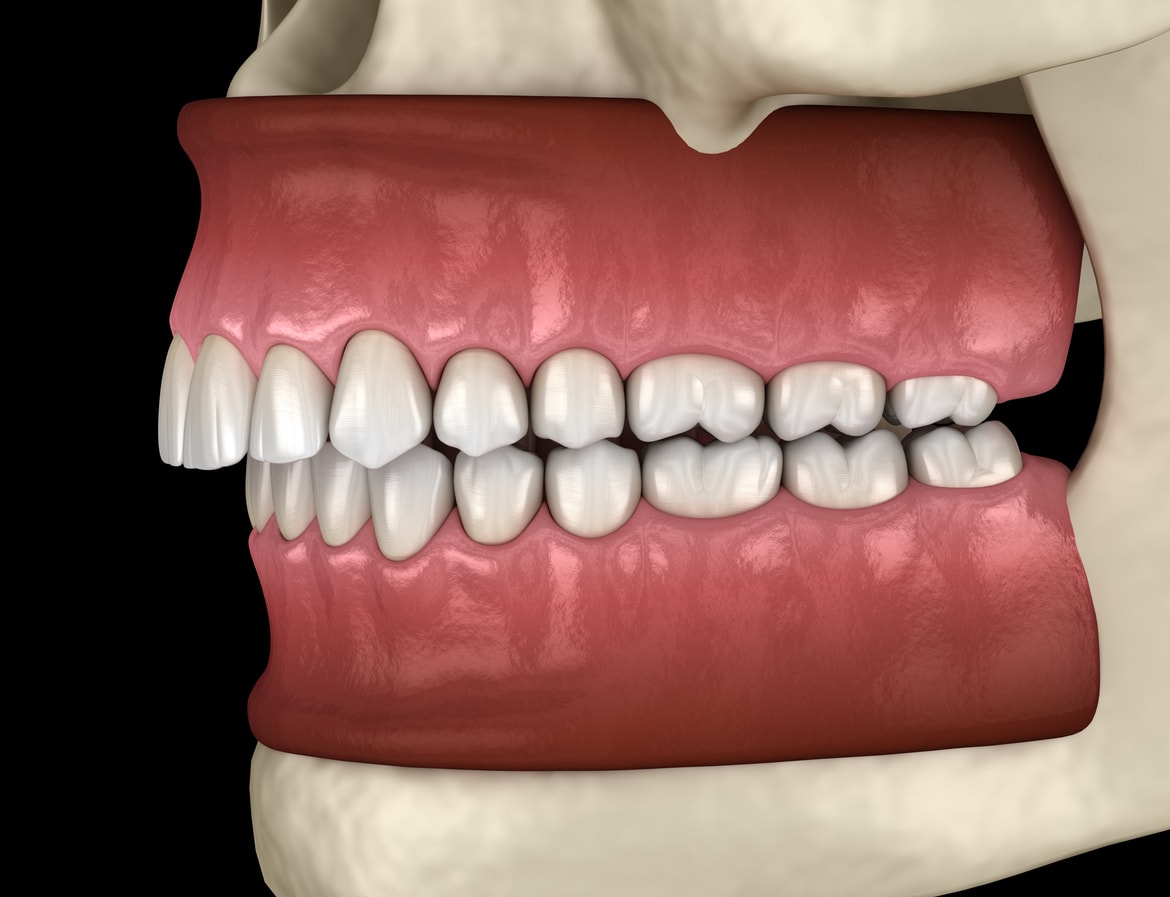
Malocclusion means you have a misaligned bite. Your teeth do not fit together the way properly aligned teeth should. In a healthy bite, your upper teeth slightly overlap your lower teeth, and your upper and lower teeth meet with balanced contact.
When the bite shifts, your teeth and jaws carry pressure in the wrong spots. That strain can affect opposing teeth, the temporomandibular joint, and even how your face holds its shape. Here is the simple idea: malocclusion of teeth describes misaligned teeth and bite issues where the upper and lower jaws do not match your jaw position well.
Common Types of Malocclusion
Dentists group types of malocclusion based on how the teeth line up and how the bite closes. You may see more than one issue at the same time.
- Class I dental malocclusions: You keep a “normal” bite pattern, yet you still have crooked teeth, crowded teeth, or irregular teeth in the dental arches.
- Class II: Your upper front teeth sit far ahead. Your upper jaw appears dominant, and the overbite stands out.
- Class III malocclusion: Your lower jaw leads, so your front teeth extend forward on the bottom, creating an underbite.
Other common bite patterns:
- Open bite: You see a gap between front teeth when you close down, so the upper and lower teeth do not touch.
- Crossbite: One or more teeth on the top bite inside the bottom teeth, so the bite flips in a section.
These bite patterns can affect difficulty chewing, speech, and comfort. Also, they can change facial structure over time.
What Causes Malocclusion?
Most cases start with genetics. Inherited traits shape jaw growth, tooth size, and spacing. Still, other factors can push the bite out of place.
Common causes include:
- Childhood habits and oral habits like thumb sucking, long pacifier use past age 3, and tongue thrusting
- Mouth breathing, which can dry oral tissues and irritate gums
- Differences between the upper and lower jaw sizes, or between jaw size and tooth size
- Early tooth loss, missing teeth, or delayed eruption of permanent teeth
- Impacted teeth, extra teeth, or teeth that erupt into a tiny space
- Trauma, such as jaw fractures that do not heal properly
- Birth conditions likea cleft lip and palate
- Environmental factors that influence growth and function
So, even if you start with straight baby teeth, shifting can happen as your child’s baby teeth make room for adult teeth. Your child’s teeth can drift if a tooth falls out eary, or if crowding forces movement. That is how a developing malocclusion begins.
Symptoms of Malocclusion
Some people see the signs fast. Others feel them first. Either way, watch for these symptoms of malocclusion:
- Teeth that look rotated, spaced, or uneven
- Crowded teeth create tight cleaning zones, so plaque sticks
- Food trapping between adjacent and opposing teeth
- Difficulty chewing or biting, since contacts feel uneven
- Clicking, tightness, or jaw pain near the jaw joint
- Speech changes, including trouble with certain sounds
- Frequent cheek or tongue biting
- Headaches linked to bite strain
- Gum irritation, dry tissues from mouth breathing, or bleeding with brushing
Also, untreated malocclusion often increases the risk of tooth decay and gum disease. Crowding creates hard-to-reach areas, and bacteria stay there. Next, uneven wear can flatten enamel.
One more point that surprises people: malocclusion can affect confidence. Many patients feel self-conscious about their smile and oral health, and that stress adds up.
How Dentists Diagnose Malocclusion?
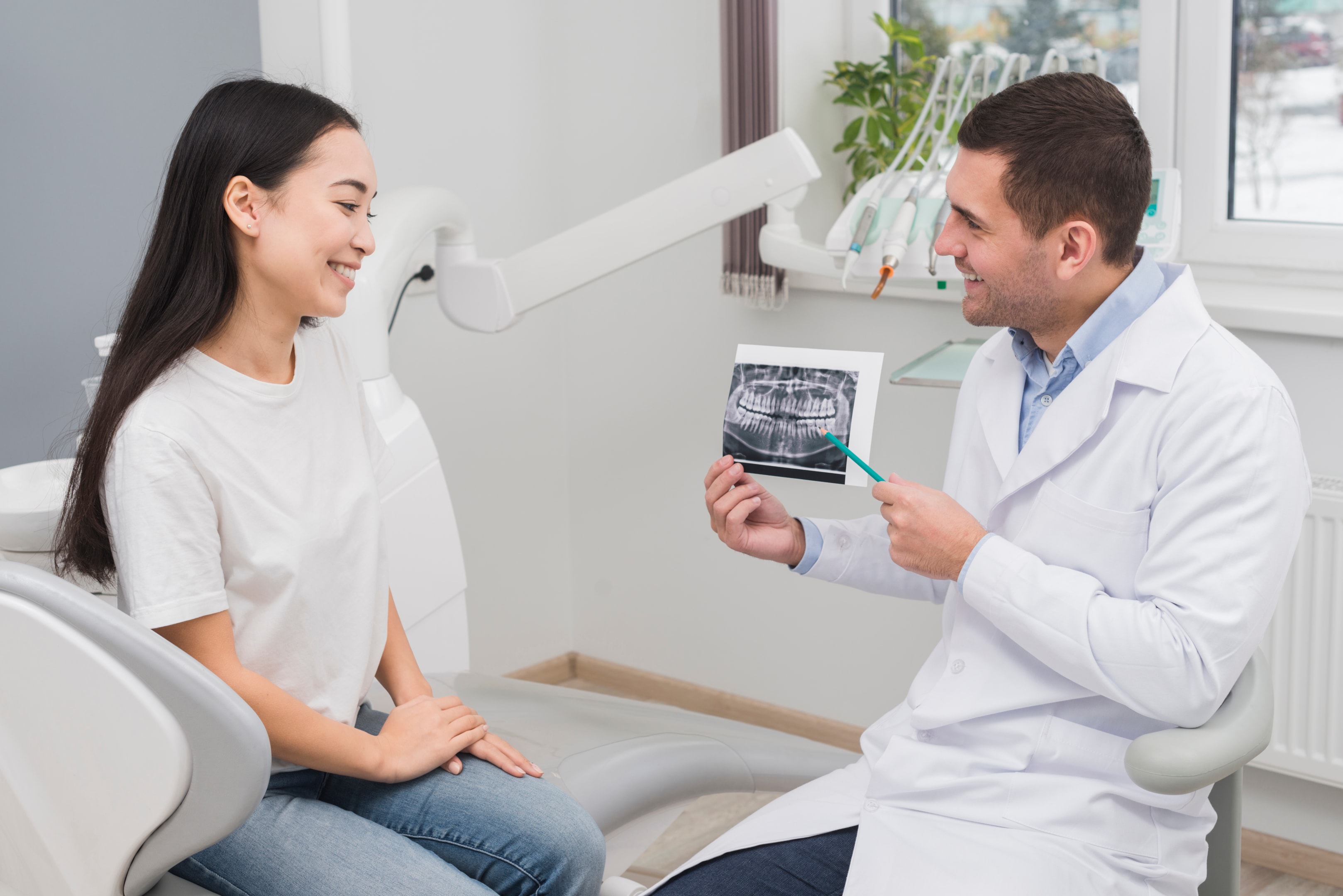
A dentist or orthodontist does not guess. They follow steps to diagnose malocclusion and map the bite.
Most evaluations include:
- A physical examination of teeth, bite contacts, and gum health
- Photos of your smile and bite from several angles
- X-rays to check roots, jaw alignment, and impacted teeth
- Digital scans or impressions to review the dental arches
- A bite check to see where your opposing teeth hit first
After that, the provider documents what they see, and then they confirm how the bite closes. That is how malocclusion diagnosed becomes a plan, not a label.
A note you should know: Malocclusion affects about 56% of people worldwide. You do not need to feel “rare” or alone if your bite needs help.
Treatment and Care Options for Malocclusion
Your provider builds a treatment plan based on bite type, crowding level, jaw position, and goals. Some cases need simple tooth movement. Some need jaw correction. Either way, modern treatment options cover a wide range.
Standard Options You May Discuss
- Traditional braces for complex alignment and bite correction
- Clear aligners for mild to moderate cases, including Invisalign-style systems
- A mouth appliance for growth guidance or bite support in some patients
- Space management when teeth crowd into small areas
- Tooth removal in select cases to create space and protect alignment
- Jaw surgery in severe skeletal cases
- Orthognathic surgery for significant jaw imbalance, when tooth movement alone cannot solve the bite
Here is a quick comparison to make choices easier:
| Option | What helps most | Best fit for |
|---|---|---|
| Traditional braces | Complex bite issues, rotation, heavy crowding | Moderate to severe cases |
| Clear aligners | Controlled tooth movement, mild bite tweaks | Mild to moderate crowding |
| Mouth appliance | Growth guidance, habit control, bite support | Growing patients, habit concerns |
| Orthognathic surgery | Corrects jaw structure and bite foundation | Severe malocclusion with jaw imbalance |
During orthodontic treatment, you must protect your gums and enamel. Brush well, clean between teeth, and keep up with checkups. Otherwise, plaque can raise the risk of cavities and gum irritation. Good daily care supports malocclusion treatment and helps the results hold.
If you want the goal in one line: we move teeth into better positions, we balance bite contacts, and we stabilize the result with retainers. That is how malocclusion is treated and stays stable.
Living With Malocclusion Without Treatment
Some people delay care because the issue feels small. Still, when you leave a bite problem alone, it often grows.
Here is what can happen when you leave it untreated:
- More plaque traps in crowding zones, raising tooth decay risk
- Gum inflammation that can progress into gum disease
- Uneven wear that chips teeth or shortens enamel
- Strain in the temporomandibular joint, leading to jaw pain and headaches
- Speech and chewing limits that make meals harder
- Shifts in facial structure and bite balance over time
- Higher chance of injury, including cracked or dislodged teeth
So, if you think “it is just cosmetic,” pause. Bite problems can affect function and health. Over time, untreated malocclusion can change how your upper and lower teeth touch, and that pressure adds up.
Professional Care and Patient-Focused Approach by Dante Gonzales
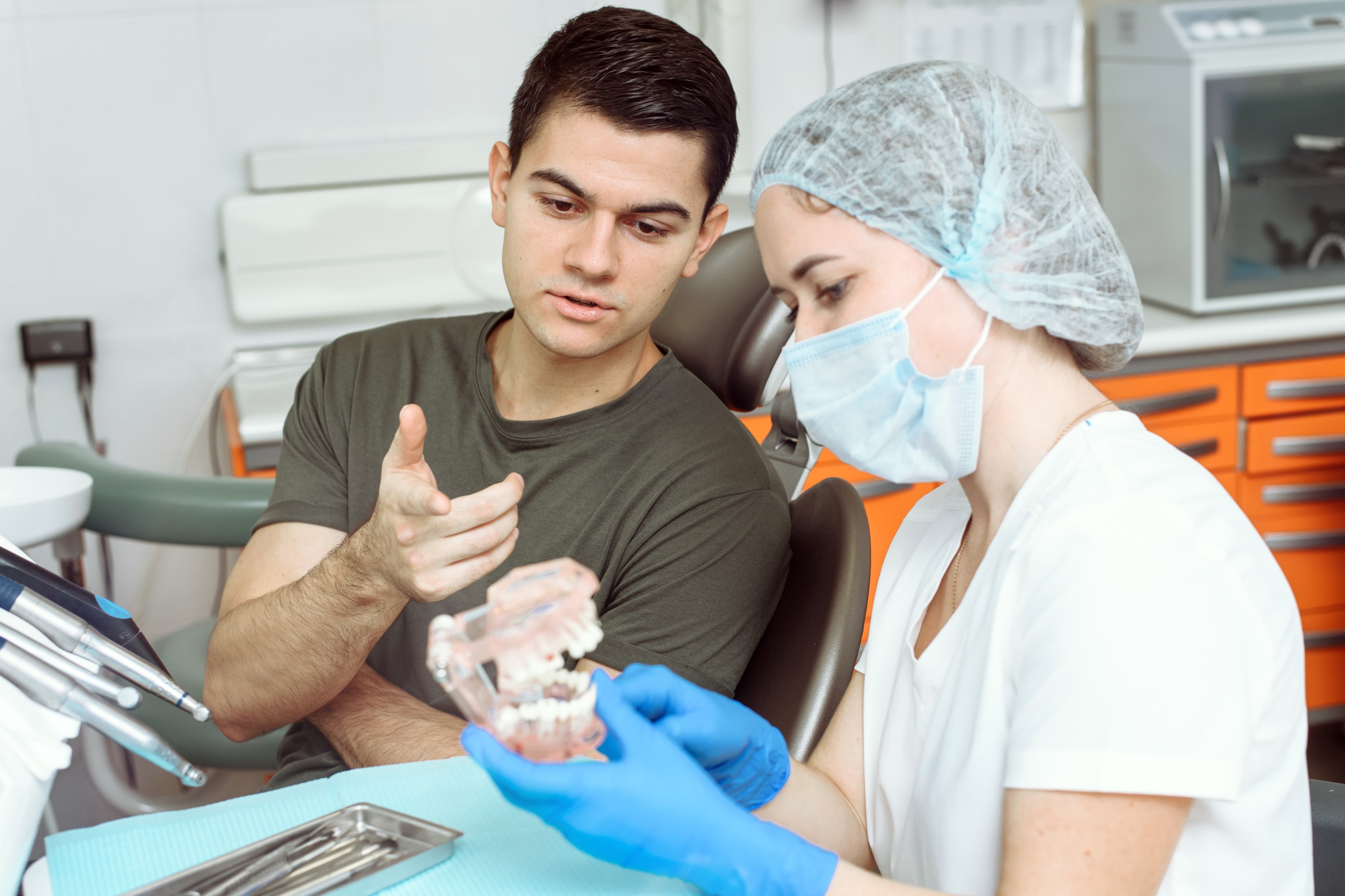
At Dante Gonzales Orthodontics in California, we treat the person, not a chart. We start with listening. Then we review your bite, your goals, your comfort concerns, and your lifestyle.
What you can expect with our approach:
- We explain what we see, in simple words, not dental jargon
- We show what drives the issue, from teeth crowding to jaw position
- We outline practical treatment options and what each option requires
- We plan for stability, so your bite holds after treatment
- We help patients manage habits, including thumb sucking and tongue thrusting
We also coordinate when needed. For children, we may partner with a pediatric dentist or your child’s dentist. For bite issues tied to growth, we may take care with jaw development. For trauma cases, we also consider how fractures healed. It keeps your plan grounded and realistic.
When Should You See a Dentist for Bite Problems?
Do not wait for pain to become the reason. Consider an evaluation if you notice:
- Your child’s bite looks uneven, or teeth overlap in odd ways
- Your child’s orthodontist or pediatric dentist flags crowding early
- You see early signs in baby teeth or late loss of baby teeth
- You feel jaw pain, clicking, or bite shifts
- You struggle with chewing, speech, or jaw fatigue
- You have missing teeth, impacted teeth, or spacing from tooth loss
- Your teeth hit in one spot first, then slide to close
Early checks can shorten total treatment. Early steps can also prevent bigger care later. If you feel unsure, an exam gives you facts, not guesses.
Final Thoughts
If your bite feels off, do not push it aside. Bite problems can lead to tooth decay, gum disease, speech limits, eating trouble, and jaw pain as years pass. The good news is you have choices, and you can start with a simple evaluation.
At Dante Gonzales Orthodontics, we help patients across California understand what drives their bite issues and which steps can fix them. We explain options, set a plan, and support you through each stage. If you want a confident bite and a smile that feels comfortable, connect with our team.
We can review your teeth, map your next steps, and discuss care that fits your needs. Book your appointment with our orthodontist today, and let us help you start the right plan for malocclusion of teeth.